Episode Transcript
[00:00:00] Speaker A: I love the saying that our three Rs are different from anyone else's three Rs. Certainly, reading, writing, and arithmetic are important, but ruggedness, resourcefulness, and resilience are the three R's that really frame every day that our children are here on campus.
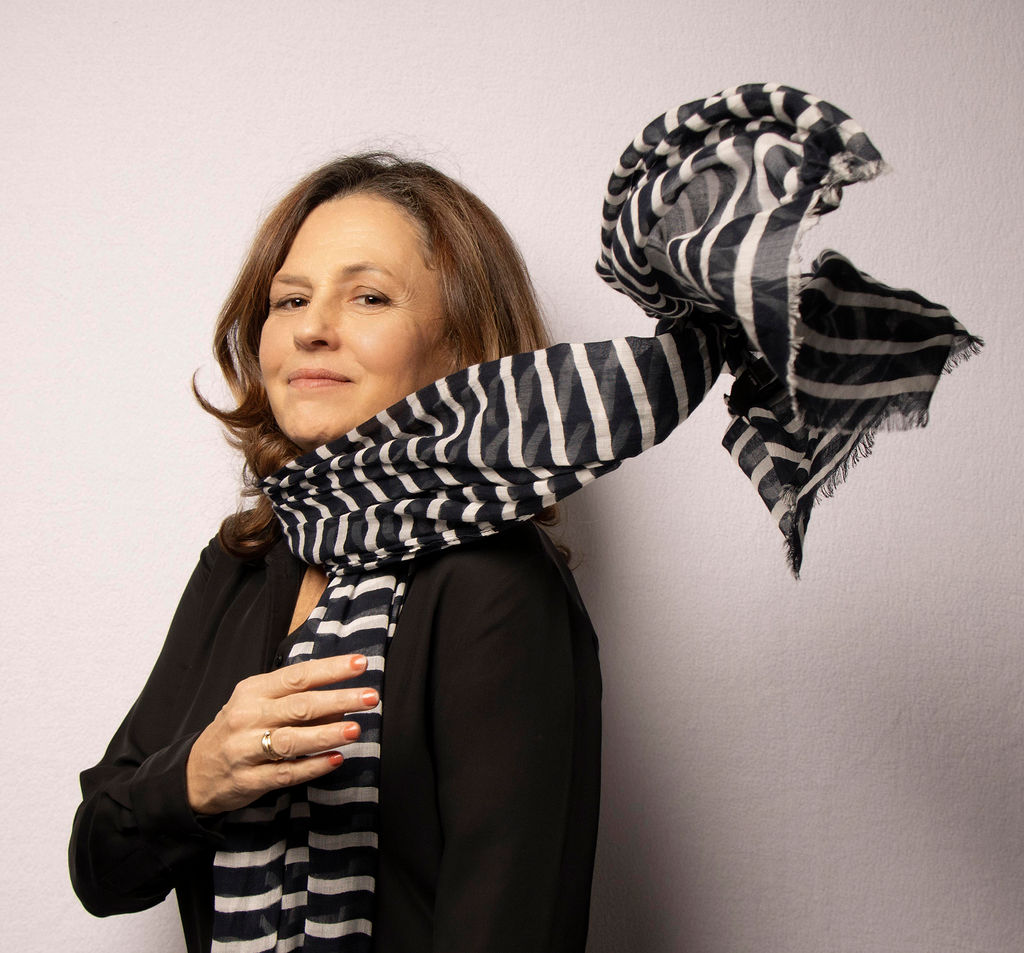
[00:00:18] Speaker B: I'm Diana Earley, and I've spent most of my life learning firsthand what privilege actually costs. The legacy control, the family expectations. The guilt of feeling trapped in a life everyone thinks you should be grateful for. If you've ever wondered why having everything still feels like something's missing, you're in the right place.
Welcome to Pressures of Privilege.
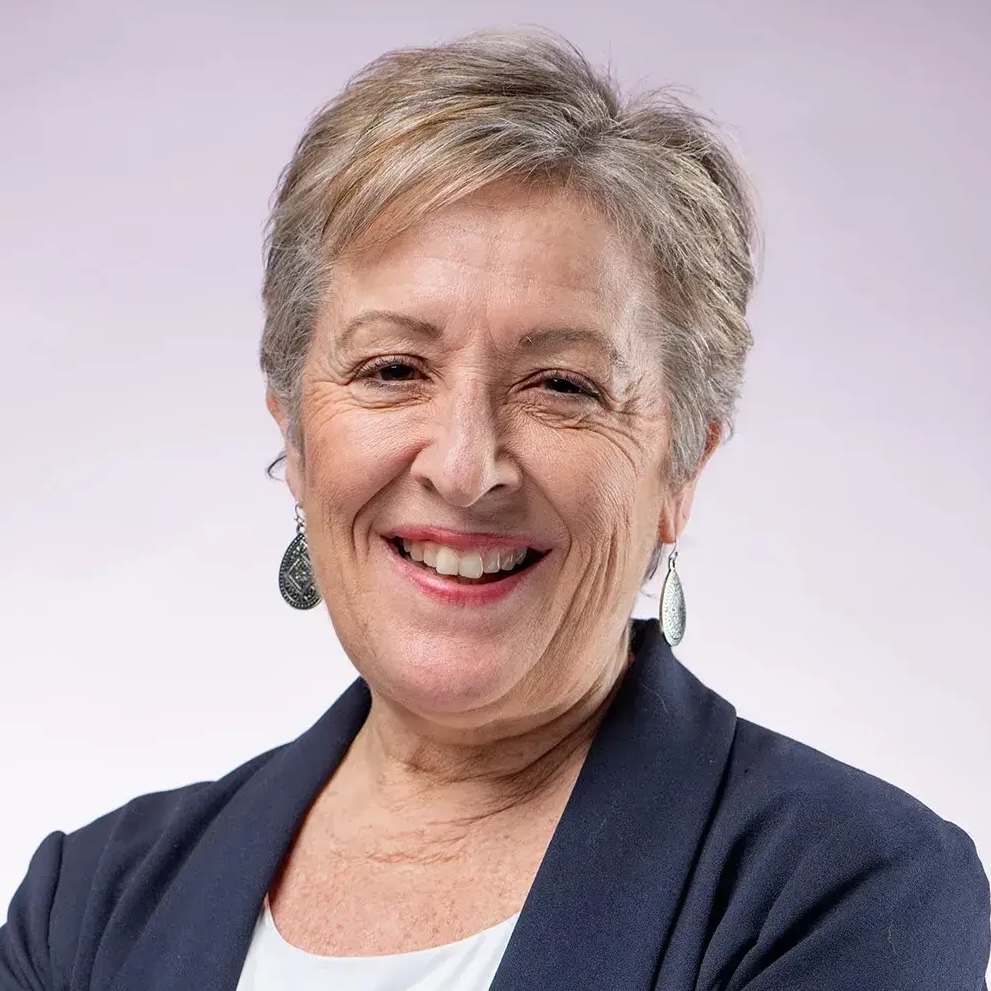
There's a place in Lake Placid, New York, that I've known my whole life. A camp and a school tucked into 333 acres of Adirondack Mountains where kids do barn chores before breakfast, sleep in tents, and learn math by tracking the weight of newborn lambs. No screens, no competitive sports. No hurry. I went to this place as a kid. It's a really special place. So did three generations of my family. It's one of those places that just gets into you. But here's what I've been thinking about lately. A place like that. Quiet, intentional, rooted in nature and simplicity. It doesn't just happen. Someone has to believe in it enough to protect it. Someone has to fund it, run it, recruit for it, and convince families that slowing down is worth the price of speeding up. Today I'm talking with Todd Ormiston. He's the executive director of North Country School and Camp Treetas. He grew up on a farm in the Catskill Mountains, competed in Division 1 ski racing, recruited 11 Olympians, and ran a ski camp in the Swiss Alps for a decade. He has spent his entire career building programs that bet on kids, not just their transcripts. I want to know what it takes to run a place like this and why. He and I both believe if more children went to a place like this, the world would be a better place. Welcome, Todd.
[00:02:02] Speaker A: Thanks, Diana. I'm so happy to share our story and the journey of North Country School and Camp Treetops.
[00:02:08] Speaker B: Yeah, that's so great. For people who've never heard of North Country School or Camp Treetops, can you describe a typical day?
What does a kid actually do from the moment they wake up?
[00:02:18] Speaker A: Yeah, so every day is different and. But the core feelings and aspirations of every child is to wake up and. And be happy and joyful and whimsical, but also to give back to the community. And so for many of our children right now, Camp Treetops is in session. And so I was actually in Dexter Pasture this morning at about 7:30 watching the campers do barn chores. And they're taking care of the sheep down there and the, the pigs and the chickens. And it really is a tradition for us that we encourage the children to take care of the animals before they have breakfast. And so their, their sense of empathy and community is, really starts right from the moment they wake up in the morning.
And for campers now they then from barn chores will head to breakfast and council, which is a community get together where they sing songs and talk about what the day is going to look like and what the activities are in store for them. And then we give them choice. We think that children have the ability to choose the distinct and different things that they want to do through the day. And choice is such a very important child centric aspect of both camp and school where they're really exploring in some ways things that are new and in others deep dives of maybe horseback riding or hiking. Here in the Adirondacks, community meals are very important to us. Six to a table with a table head and a waiter. The table head is either an older student or camper or a teacher or counselor.
And then someone is always the waiter and taking care of the table.
Meals are minimally 45 minutes long.
We have council again where announcements are made or birthday songs are sung.
But we take time to eat and we recognize that community is built often around the breakfast, lunch or dinner table. And, and also. And we're going to talk a little bit more later I'm sure about the farm and garden program that we have here. And we celebrate the food that is raised here and cultivated by many hands of our children, our staff as well.
And then through the day there's a rest hour for camp. In the afternoon, of course we have evening activities, song and reading and really just celebrating being.
And especially during camp where it's an escape from some of the pressures and anxiety producing levers that children are introduced to it at really too early of an age. And this is a place where we celebrate children being children.
[00:05:17] Speaker B: Having been a camper, I remember first of all crying after the seven weeks I didn't want to leave.
The other thing I remember is just like loving the food.
It was just I look forward to every meal and I love the like being given a choice of what to do every day.
It's so great to know that you have two periods right before lunch, two periods after lunch and the bell would ring and you'd have to switch. You know, sometimes I didn't want to switch, but I could choose what I wanted to do, which I think is a basic human need to have that choice. And that, um, there's actually a word for it.
Yeah, it's my agency to be able to do what I want.
But it's within certain confines.
[00:05:59] Speaker A: Yes. And autonomy for to me is really important for children to, to, to feel and understand the power of autonomy and, and choices are, are powerful. And when you make good choices, powerful link, powerful positive things happen. And certainly as a child I remember when I was in middle school, I made a couple bad choices here or there. And having, having responses to not so good choices is really important for children to understand and restorative in so many ways. And children should be able to have the autonomy to extend, to take risks, to fail.
Failure is such a great teaching tool for us here in so many ways and without consequences. So we ask children to do difficult things and we provide soft landings so that they are more apt to take on difficult things down the road as well. And I think as adults we can learn a lot from that.
[00:07:05] Speaker B: I love that I'm going to get to that with the founder's philosophy. But the school's been running since 1938, the camp since 1921, I think I found.
[00:07:15] Speaker A: Yep. And, and, and it's actually really important to recognize that this, the school is a camp inspired school and there are very few of them out there.
The idea is, and it was way ahead of, of a lot of people's thinking, but really rooted in the duly progressive education model as a camp and then obviously extended into the school.
[00:07:39] Speaker B: So what is it about this model that survived 100 years?
[00:07:42] Speaker A: It works. First of all, it always has and it always will.
I also am the beneficiary of some incredible leaders and educators before me who didn't waver from the model. And there are a lot of schools that go to different places to try to be everything to everyone or try to catch on to the new, the new innovative educational philosophy. We've stayed true to our roots. And I, I love the saying that our three Rs are different from anyone else's. Three Rs.
Certainly reading, writing and arithmetic are important, but ruggedness, resourcefulness and resilience are the three Rs that, that really frame every day that our children are here on campus. And I think you might have another R that you love as well.
[00:08:39] Speaker B: Yes, there's the. Well, he had it in his speech. Walter Clark, the founder, before we recorded, I asked Todd about the school's values, because I was raised with those values. My mother kept saying the three R's. And you found the speech. And you know where he mentions this is not reading, arithmetic and writing. It's ruggedness, resourcefulness and resiliency. But then he had something at the end, refinement, which has been left by the wayside, I think, because it sort of. I think people interpret it as being maybe elegance or being a gentleman or something like that. But I was talking to my sensei about that and he said if it's, if you can't refine it, it's not worth doing.
And this is from a martial artist who's a ma. A grandmaster. And I thought about other things in life that we do, like writing or certain creative things like sculpture.
Anything we do, we have to refine.
And he said in his speech, he wrote that the full joy of living comes not just from having skills, but from being able to use those talents with polish and style gracefully and beautifully.
And it's true if people won't listen to you unless you can communicate beautifully, right?
[00:09:50] Speaker A: Absolutely. And it also, it lines up with our, our real true commitment to process and refinement comes over a period of time. It's not instant gratification. It's not something you just do and magically it appears.
And so like many of us who've understood something that they've been passionate about over time, if it happens right away, it's probably not, well, refined. And so I think there's, there's a lot to that word that speaks to all of us and I think is really built into the day to day life of our children and our adults. We also practice what we preach here as well.
[00:10:36] Speaker B: Walter Clark wrote that ruggedness doesn't mean rough.
Right. It means strong enough to endure hardship without breaking or quitting.
[00:10:44] Speaker A: Again. This is a special place. There are things that happen here that are allowed to happen because of the tradition and the philosophy of, and also because of. Of the direction of, of. Of where we, we aspire our children to, to be once they have gone through north country school or camp Treetops and, and ruggedness is. Is that idea that it, it, it isn't. Ne. It isn't always. Sometimes it's about strength, physical strength, but it's, it's about being rugged and, and, and not feeling like everything has to be perfect. And sometimes the most beautiful things can happen in some of the messiest circumstances.
And that's where the real magic happens, it appears, because you bear down on something and Understand that there's an outcome that you're seeking.
[00:11:43] Speaker B: There's a difference between tough ruggedness or toughness and cruelty.
Like where's the line?
[00:11:50] Speaker A: We, we're asking our children to be, to be rugged and resilient within their best selves. And so every child has different limits. They have different floors and different ceilings.
And as I mentioned earlier, this, we're such a child centric, humanistic community that, that each child is, is able to do different things differently.
And so it's not about us as adults and what our expectations of that's that, that children need to, to jump to a certain level. It's that they're finding the ruggedness, resourcefulness and resilience within themselves.
And because we're very small and intentional, we know children so well that, that we understand that one children's huge success is another child's day to day experience.
And we celebrate both.
[00:12:52] Speaker B: Resourcefulness, knowing what to do when something breaks right when you're lost or when you're facing something new.
[00:12:57] Speaker A: Can you actually teach that you practice it? I don't know that there's a lesson to be taught other than reflection. And reflection is, if you think about the core of experiential education, it's the preparation to do something, it's the doing something and then it's the reflecting on what you did to, to improve the outcome. When you think about resourcefulness, often you're not recognizing it in the moment because you're, you're dealing.
But if you don't take that moment to reflect on being on a hike here in the Adirondacks and it's pouring rain and your, your sleeping bag is wet and how do we, how do we deal with this and, and how do we as a, as a hiking group figure out how to, to be safe and healthy, but also comfortable and also still accomplish the goal. So the trip leader is not going to talk about how resourceful you are in the moment. But reflection is such an incredible educational tool to go back to and say hey, remember when that happened? That was really cool and would you have done something differently or, or how could we have maybe done it better? And so it's a series of practices of practical application of often creative solutions.
[00:14:25] Speaker B: You've also, we were talking about this earlier that you like you, you prefer to give children perspective rather than advice.
[00:14:32] Speaker A: Yes, yes. And I'm using that as a parent as well.
And I think it's, I think it's as I've learned here and I've learned so much as an Adult about children and about life.
Everyone's journey is their own.
And so who am I to tell someone what their path is based on my experience?
But it's important to share perspective so that they can stitch together a plan that's theirs and that they own.
And so certainly when it comes to health and safety, of course we're, we're, we're not just sharing perspective. But, but when it comes to those life lessons like resourcefulness, perspective is a powerful tool, but telling someone what to do is, is, is not necessarily as instructive.
[00:15:32] Speaker B: Yeah. When a kid gets knocked down, you know, can they get back up, smiling and determined? What does that, you know, what does that look like in a nine year old?
[00:15:40] Speaker A: Right. Yeah. And it happens, it happens to adults too.
[00:15:46] Speaker B: Well, speaking of you as an adult, I was thinking you spent years in academics at ski academies too. Places built entirely around outcomes. Olympians, medals, rankings.
Then you came here. What changed and how you think about what education is actually for?
[00:16:02] Speaker A: Yeah, I had a 28 year career in winter sports academies that are very focused on really encouraging children to kids and young adults to pursue their passion and pursue their goals and reach the highest levels in the world of winter sports.
Alpine ski racing, cross country skiing, free freestyle and snowboarding.
And I, as a former ski racer myself, loved that environment. It challenged kids to be their best selves and they still do incredible things at these ski academies and those graduates go on to do wonderful things. I went through the process of recognizing that there's more than mission driven schools that are outcome oriented and that as much as that is really effective for a lot of children, it's also not the best environment for all children. And I found North Country School and Camp Treetops and I couldn't be any more grateful for the opportunity to be part of this community.
And what I was searching for professionally was not letting go of, of the passion of a goal, but embracing the process of, of, of purpose.
And more importantly than, than that, or secondary to that, is the idea that the age of, of the children that we're working with is, is one of the most important aspects of this place because we call it the in between years. You're, you're, you're really not a young child anymore, but you're not an adult and you're just entering adolescence.
And I can remember, I, I don't know about you, Diana, but I remember being 10 or 12 and trying to figure out who I was and my, my family and my friends and, and our farm. Those were some of the most important directional levers for me as a child.
And I'm just, I'm, I'm really grateful to be in an environment where we're able to really form the trajectory of these children based on the experiences they have and the values that we're instilling them.
[00:18:36] Speaker B: Wow.
We were talking about expanded adolescence during our last chat and how some kids, you know, and around the world are exposed to adult things too early, but, you know, they're, but they're not being held responsible for themselves.
[00:18:52] Speaker A: Yeah, I, I, yeah, I think I, I, I believe that, that, that this, this scope of adolescence has, has increased in the last, you know, number of years, 15, 20, 30 years.
And I think that younger adolescents, younger children are being asked to do things that are just not necessarily age appropriate. And I think that, that the idea of U10s travel, soccer is awesome for a lot of kids, but it's not awesome for every child. And I think that, that we're not paying attention to really what children are needing at any given point in their lives.
Um, we believe with two of the words that we use all the time here are joyfulness and whimsy.
And the joyfulness is that that idea of being in the present and being happy with who you are and where you are in the moment, and whimsy is that, hey, you know what? If this isn't working, let's try something else and, or let's take a moment just to do something that is fun rather than feel like we're on the conveyor belt of, of life when, when you're eight years old, you should be eight, and, and you should be able to, to, to, to enjoy childhood and not rush to the next thing and the next thing. And then on the other end of the spectrum, I think if children are, if they're the correct values are instilled in them over time about community and empathy and curiosity and resilience, that they will be better prepared to take care of themselves and their communities as they emerge into young adulthood. And I think that, that, as I've said, children are powerful. I think that as they grow, more and more responsibility should be bestowed on them. And, and they should take, take responsibility for their decisions and, and make sure that, that their trajectory of their lives is certainly often a staircase and sometimes a scribble, but that's okay.
But at the same time, taking responsibility as you get older is a part of growing up.
[00:21:19] Speaker B: Well, I remember at camp I was in charge of a horse for one week, and then the next week I'd be in charge of the vegetable, the tomato patch. And then the next week I had to feed the pigs. And it was just, it was a responsibility.
You can never be too young to be responsible for an animal.
[00:21:37] Speaker A: Yeah. And, and if you don't show up that day and you don't feed the pig, nobody else is going to feed the pig. And boy, that's, that's responsibility and that's responsibility with consequences. And I hear all the time rigor, if we talk about our school, we talk about rigorous and boy, that's one of the most thrown around words when it comes to schools.
And I still haven't heard a great definition of rigor. I don't think three hours of homework for a sixth grader is a demonstration of rigor for a school.
But I can tell you what our brand of rigor here is.
We're here in the Adirondacks. It gets quite chilly here in the wintertime and we have lots of snow and, and it's, it's dark in the morning in January. And our, we're asking our children to walk about three quarters of a mile in the morning to Barn chores at 7:15.
And if you can imagine being a 12 year old or a 13 year old back to your 12 or 13 year old self and you're getting out of bed and you're walking three quarters of a mile and it's 10 degrees out and you're on your way to mucking a horse's stall.
I think that's unbelievably rigorous. I think that we're asking children to do really, really hard things and, and they're tangible and they're, they're age appropriate.
And so all of these things are, are the scaffolding of who you will become.
And Diane, I'm sure you probably have some fun stories about mocking stalls or picking horses hooves or feeding the pigs.
[00:23:23] Speaker B: Oh, I just, I loved it. I had my favorite horse, Tequila, and I love picking her hooves and, and brushing her and bringing her. I think she had a little bit of grain, then some hay.
Yeah. And there was something called the honey wagon, which was this huge thing on a conveyor we'd throw all of the manure into and it would get emptied on a huge compost pile or manure pile. And, and it was fun. I mean, just we, I, it was fun. I don't remember it being hardship because everybody got up at the same time and everybody walked to the barn together. So that was community too.
[00:23:57] Speaker A: And it didn't matter who you were or where you're from or what Your family did. Every, Everyone, everyone has to pitch in. And, and one thing that, as I've spoken with our alum over, over the time I've been here, there. There are two distinct impacts that camp and school have on children. It's. It's in the moment while they're here, and then it's the reflection maybe 10 or 15 or 30 years later of, of those moments. I'm. I'm curious if you, Diana, could share how camp and school for, for you, camp is still part of your life.
[00:24:37] Speaker B: Camp is a microcosm of a perfect world. I really believe if the world was like camp, it's heaven. I mean, you spend the whole summer barefoot pretty much, unless you're horseback riding or doing a sport that requires shoes.
And there's music three times a day at council.
And I love music and I love animals. So for me, I wasn't. It was just heaven and just sitting in the grass with your bare feet, listening to beautiful folk music, singing in harmony with others, and then getting to go, having the autonomy to choose an activity. Like I loved going to the nature house where there were, you know, somebody was mending a hurt bird or, or the rabbits were being born or, or we would go to the, the pottery room and make pottery or I, I made rugs with old fashioned looms. I still have them. So, I mean, it's still in my life actually. I have one of my sons. My son went to the cabin. I have one of his rugs. I moved it to Boston and he walked into my guest room and there's his little rug he made at camp. He's like, oh, there it is. Because he had loved it. Yeah, he had loved it in my house. And, and it, and it's still in me. You know, the sort of the response, the feeling of, you know, save water. I think one summer we had a. We didn't have enough rain, so they had this. This is gonna be a little gross for some listeners, but if it's yellow, let it mellow, and if it's brown, flush it down. It taught me environmental values that, you know, we don't have enough rain. We got to conserve.
That was one summer. I don't know if you've had summers like that.
[00:26:08] Speaker A: Yes, unfortunately, we've been dealing with the variations of weather and, and, and we're experiencing it. We're just.
Air quality now with the western fires is, is a concern. And, and you know, the health and safety of the kids is really important. So they're aware of it.
And we're also Giving children the opportunities when it comes to taking care of environmental stewardship. We're giving them actionable ways to do good in the world rather than just be aware or be concerned about it. And so our composter, we have this 25 foot industrial size drum composter that was designed by John Culpepper, our farmer facilities director here.
Um, and so compost is, is one of our work jobs that children do. And they, they learn, whether it's the camp or the school, they learn how to go down, how to weigh it with the, with the carbon additive, which is these wood pellets. And this, this huge drum composter turns once a, once a day. And after about a month it just spits out this incredible compost. And for the children to, to be part of cycles of, of different things that happen here.
And for them, they're in sort of a growth cycle that if you're imagining what it felt like to be an adolescence when, when things are changing in your life and in your body, we're, we're connecting children here to life cycles. So if you can imagine, the drum composter is creating this, this just unbelievably healthy soil that, that we put on our gardens. The children tend the gardens.
Gardens, we harvest the, the, the lettuce or the kohlrabi or the tomatoes. And then they eat them at lunch and then we compost them them in the cycle returns.
And for, for children to, to be connected to something else outside of them, but they're connected to, I believe it is a, is a connection to their own personal growth. If you're connected to something growing, you yourself are growing at the same time.
So our farm and garden are certainly really important in terms of the activities, whether it's horseback riding or the work that they're doing in the farm and garden. But also it provides about 20% of our food every day. And for children to know that food doesn't just come from the grocery store is really important.
[00:28:53] Speaker B: Yeah. Like we had chicken killing day.
[00:28:56] Speaker A: We call it chicken harvest.
[00:28:58] Speaker B: Okay. Yeah, I guess I forgot the rip. And you also make award winning maple syrup.
[00:29:03] Speaker A: We do, yes.
And it's the bucket brigade.
Many commercial maple syrup operations use the tubing.
Throughout the forest we have the galvanized buckets and again process.
So the tapping of the trees and the hanging of the buckets and, and the carrying of the buckets to the evaporator. The evaporator taking the, leaving only the sugar behind.
And then really in a special event, we have our fourth and fifth Graders after sugaring season, they actually write poems to the trees with gratitude for what the trees provided.
And they're just.
It's so cool that, that, that we take time to appreciate those things and, and time is, is something that, that we value immensely as a resource here.
[00:30:05] Speaker B: Ross, I noticed you got a little teary there.
[00:30:07] Speaker A: Yeah, it's, it's, it's, it's so special. And, and again, it, it's going back to my, my professional sort of driving towards, towards goals.
Me personally as an athlete and then as, as a, as an educator, taking a step back and being, and appreciating and being a member of, of, of a, of a community, of a group is, is unbelievably important for us to do. And it's also incredibly therapeutic. We, we're seeing anxiety in children today that, that, that we've never seen before. And a lot of it has to do with the pressures and the intensity of, of moving on to the next thing.
And, and we're giving, we're giving children the ability to be children.
[00:31:04] Speaker B: I love that.
That must be a hard sell to ambitious families though. You know, the ones who, you know, they, they want optimization, they want to perform. They want, you know, that, that pressure that you mentioned, you know, what does that pressure actually do to kids?
[00:31:18] Speaker A: I can tell you what the opposite of it is. It transforms children into happy and healthy older adolescents, young adults and adults. When we think about process, we are in the moment. We're also incredibly proud of the outcomes.
Our campers and our students go on to do incredible things in the world.
And like you said in the intro, we believe the world would be a better place with more children going to North Country School and Camp Treetops because we're not driving towards outcomes. But the people who go through this school and this camp are contributors to their community.
We know that there's a ripple effect that happens and we've been tracking that ripple effect of our graduates.
And we look at ourselves as the headwaters of this experience. And it really is, it's transformational and enduring.
And so when we speak to our parents who have their children come here to a screen free device free summer camp in a very limited intentional technology school with no cell phones.
It is a little jolting because it's not the norm.
But we celebrate not being in the norm because, because we do such an incredible job working with children.
So when parents are concerned about.
Makes sense and, but it is a relatable process to a lot of, of what we experience as young people.
And, and it's It's a safe place for children to be, to, to grow and, and learn and then once they leave here, thrive.
So we're really proud of what our children, who our children become once they leave.
[00:33:14] Speaker B: You know, this whole process versus outcome reminds me of Guy Kawasaki, who's at Stanford. You know, he was part of the Apple team that created Apple. And he said he gave a really great speech you can find on YouTube where he says, if you're looking to start a company or a nonprofit, you need to create meaning. If your goal is only to create to make money, you're not going to make it. You've gotta have meaning. And, and I was thinking how that really. And he had three ways of making meaning. You know, improving the quality of life for people, like writing a wrong or preventing the end of something good. If the goal is the outcome, right, to have greats transcript and all of that, you're losing the process, then that's, you're not gonna make it because the kid is gonna get so anxious, there's gonna be this paralysis.
[00:34:01] Speaker A: Yeah. And isn't it incredible that, that Doug and Helen Haskell thought about that in the 20s and that Walter Clark built a school in, in 1938, North Country School with that in mind. And, and wouldn't you know, it, it still is relevant today.
And I, I think when we, you spoke about Guy Kawasaki, the other thing we were talking a little bit about autonomy. And, and Daniel Pink wrote this book about motivation and, and autonomy and mastery are two important aspects of motivation.
Third aspect that he identified is meaning. And so having choices in, in on the autonomy side and, and learning how to do something is really important. But if it doesn't mean anything, then people lose motivation.
And so I think that when we, when we talk about barn chores or carrying buckets of SAP or helping a fellow classmate or, or camper client get to, that they want to get to climbing a tree.
There's meaning in that. And, and, and what is life without meaning?
So that's so important for us to, to instill that. And, and again, it's not. We're not teaching it, we're practicing it.
[00:35:25] Speaker B: One of my teachers, Bill Burnett and Dave Evans, came out with a new book, designing meaning in your life. You know that that's another Stanford teacher. And, and one of their, one of the elements of meaning they've identified is awe, which is the same as the whimsy. So I, so yeah, I was thinking you guys are, are aligned there.
And also I was thinking about the, another thing that kids learn And I've seen this in my own son and I'm really impressed with him. That instant versus delayed gratification that, that is taught when, when, when focuses on process.
[00:35:58] Speaker A: I talk about it all the time and, and whether it is a highly competitive athlete or, or a child throwing a potential. Um, we're, we've gotten into this, this moment where when we, if you go on to your Amazon delivery and you don't, you can't get until 5 o' clock this afternoon, it's disappointing. And if we have to instill a little better sense of reality, of like, just because you can't have it now doesn't mean it's not worth working towards.
And, and I, and just like that rug that you mentioned, making something over a period of time and making mistakes within that process leads to a sense of pride that you, you wouldn't get if, if, if it was immediately available to you.
[00:36:46] Speaker B: So, yeah, I w. I wasn't looking to make a rug. I just wanted to go see how those really cool looms worked. And the lady who was in there was really nice and I was like, let's go have some fun. It was really like, like occup. Let's, let's just try it out. Like, this is a really cool, big, huge loom with wooden levers. And I mean, it was so cool looking. I wasn't thinking, oh, I'm going to make a rug. And then the rug was the outcome.
[00:37:08] Speaker A: I love that. How cool is that? It was. You were curious.
There was an adult there, you were opting in.
There was an adult there supporting your growth and learning how to do something, but it was inspired by you.
And then you stuck to it. Um, and then you had an outcome that's, that's exactly what we're trying to do all the time. And, and again, it goes back to the practice of it, not the teaching of it. That's awesome.
[00:37:39] Speaker B: I mean, everything I've done, like piano, martial arts, I never, I started karate not because I wanted a belt or to climb through the ranks. I just wanted something to do in the evenings that was, I could, you know, that was, that was fun and that was healthy and that was in community and that would be good for me.
Get me out of the house a little adult time. And all of a sudden here I am, second degree black belt. I never thought, that was never an outcome that I even considered when I, when I started. Same with piano. I never thought, okay, I'm going to be playing the, you know, that, you know, the Chopin nocturne. Whatever. It was just, you know, you just, you just play. You just enjoy it. You have fun. You discover. You. Yeah. Anyway, so it's. I. I'm a big fan of process, as you can tell.
[00:38:23] Speaker A: And if we. You were mentioning earlier that. That three generations of your family have been here. I. I had a zoom call with your mom a. A couple months ago, and she was about 10 minutes late and I texted her and she said, oh, I'm so sorry. I just. I. I was doing my piano lesson and I really wanted to get this one section right and.
And I was like, no, that's awesome that you got so caught in your deep practice that you lost track of time. Hopefully she. That was instilled in her when she was a student here when she was 12 or 13. So it's amazing. It's really important to. To hold onto that even in adulthood.
[00:39:10] Speaker B: Yeah, she talks about Don Rand, the teacher. She still talks about him. The teacher she had at North Country School.
[00:39:15] Speaker A: He's a legend.
[00:39:16] Speaker B: Yeah, legend. So I was thinking, this place.
Who is it for and who is it not for? I was thinking it'd be sort of fun to talk about who it's not for before, you know, like, give me the family that calls you. Sounds great. On paper. And you know, within two minutes it's not going to work.
[00:39:33] Speaker A: Yeah, I. I think, you know, we're. We're a school that is working with.
With kids who, who are coming here because they're. They're seeking something different from whatever is at home.
That something that we do here aligns with their interests or maybe their passions are definitely their curiosities. At the core of it is that this is a place where you can't just take.
You can't just receive.
You have to be able and in a place to give something back.
And for some children, they're not.
That's not where they are.
That they have needs that are outside of what we're able to support and they don't have the capacity to give back. We work with a wide range of. From the school side, we work with a wide range of learners.
Because we are so small and because we have a learning support program, we're able to meet most kids where they are academically, but some kids, and we're talking about younger students and a boarding school, some students are just not in a place where. Where they're able to be active participants in the community.
And so that really is the.
That's the.
That's the line where, where we make sure that if everyone, if we're aligned with our values. Um, then we can have a student here or an adult quite frankly, who is not in some way contributing in their own way to, to the community.
[00:41:14] Speaker B: Nice.
What kind of families do do find you?
[00:41:19] Speaker A: It's a wide range. From the school side, we have about 25 or so percent of our students are local day students.
Those are families who were the only, we're the only middle independent middle school here in our, in the North Country.
And so many of our local families are looking for something, an alternative to the local public school.
And certainly our values appeal to them.
We have about 25 to 30% are international students who are looking to experience an American school and perhaps improve language proficient proficiency and often will enroll after North Country School in a, in a secondary, a boarding school here in the US and then for our domestic boarding students, it's a wide range of children who are seeking something different than their home schools or their home communities.
For many parents, maybe there's something in their lives where they make the courageous decision to allow their child to come to North Country School and understand that this is going to be a place where they're going to thrive and they're just often family situations where this is the best place for their child to be and to learn and grow and for them to still be, you know, certainly a part of their lives in, in a lot of, in a lot of meaningful ways.
But it really, it really. The thread that, that, that connects all of our children and it happens within a week or two of the start of school is they learn that they're doing hard things, that they're doing things together, that our community has high expectations of their commitment to being a good citizen of the place and they're exploring. We have our signature programs of the arts and our outdoor program and our farm and garden program are really woven into the fabric of what our community does every day.
[00:43:33] Speaker B: You know, when I came to visit last summer, there was one student and she was asked what is your favorite part about being at North Country School? And she said, well, I just realized how lucky I am that when I go home to the New York City and I'm with my, my community there, every other kid is on their phone like this and she's the only one who's not. And she's the one who, who's who's able to come up with games to play.
The other kids just don't have that imagination or they haven't been using that muscle.
So I think you're creating creators because she's able to create fun for the other kids. They're always looking to her for the fun because that's what she's, she's been exercising that muscle at North Country School. They're creators versus consumers.
[00:44:18] Speaker A: That connection was made, has been made over time. And one of our board members mentioned that in a meeting we had a couple months ago. And it really struck me how pure that statement is that when you think about being a create creator, it is, it's so active, it's thoughtful, it's often challenging, and it's also broad, you know, and so it gives the, the children the chance to create in so many ways. Whether it is like, like you said that that student mentioned about creating fun, that's analog, not sitting there texting each other, or it's creating a piece of art or, or it's creating a community activity like we had some students do this winter with this, this incredible terrain park for skiing that they, that they just came up with and then they built it. And neither of the boys were really as excited about doing using the terrain park as they were watching everybody else do it. This consumption society that we live in is, I think, passive. It is, it's the idea of, of receiving and taking.
And if you're not creating something, then, then you're, then you're consuming. And our, our children are really thoughtful about even what they do consume is. It comes from somewhere, like I mentioned the maple syrup or the, or the, the rhubarb or whatever that, that we're planting in the, in the garden.
[00:45:57] Speaker B: You know, especially in this day and age of AI and all that. I mean, I hate to mention that word.
Every child I see, everybody I see, they're on their phones, they're consuming, consuming. And I, I know of this one woman who, she works in an AI company and she's making tons of money, but guess where she's investing her money? She's investing it in analog and plumbing businesses. North Country School and Country Tops are creating creators versus consumers. These passive consumers.
[00:46:25] Speaker A: Yes, yes. And, and these are skills that they're going to have forever and they're, they're AI proof because.
And we're not just talking about, you know, a career. We're talking about how people work and live within, within their, their home life or within their community. And those are the places, I think, especially in the future that are going to be the refuse for all of the things that are hitting us at a million miles an hour. And to know what it feels like to, as that student mentioned, be the leader of conversation.
Yeah, I was super proud of her when she, when she said that because that's again, we didn't teach her that. She's practicing it.
[00:47:19] Speaker B: Well, she seems like she's going to go somewhere. She's got that, the leadership skills that if all the kids are looking to her for fun and, and yeah, and I was thinking Camp Treetops, it's four or seven weeks, right?
[00:47:34] Speaker A: Yeah. So, so first for campers who want to come for the first time, they can opt into the four week session and then after that it's seven weeks. We just started this past weekend. So usually it's the very end of June is the beginning of camp and then it goes for seven weeks into August and we have a visitor's weekend at four weeks in where the parents will come in. But really it's, it's. We call it the gift of a timeless summer. And a little tongue in cheek with the timeless. Because we, our counselors don't wear watches. We take all the clocks down from school.
The only sense of time that children have is, is the rising and the setting of the sun.
The bells that, that go off for activity periods or for meals and then just, just the flow of, of the day and, and when we talk, you know, the living in the present is an often said aspiration.
Our, our children after the first week or so, they truly are living in the present. They're not thinking what either their friends are doing at home or their friends are doing a different activity or what they're off to next.
They really are in the present and that's just the temperature goes down and in every child, when, when you can just be.
And so the gift of a timeless summer. Yeah, absolutely.
[00:49:03] Speaker B: I just had a flashback. Another thing we had to do. I don't know if you still do it in camp was to write letters home.
[00:49:08] Speaker A: Yeah, absolutely. Yep.
[00:49:09] Speaker B: And then during council, people would, you know, would say, you know, would hand out letters from the parents.
[00:49:16] Speaker A: It's a lost start. But not here.
Our, both our students and our campus are still, still writing and receiving letters. So again, we think about the instant gratification.
This is delayed gratification when you write a letter and then receive one back.
[00:49:32] Speaker B: Technology in the classroom has largely been a failed experiment.
[00:49:36] Speaker A: There certainly are aspects of it that we, we call it intentional technology. So there are, we, we recognize that our students do need to be digitally literate because they are going on to the next school or place that they leave from here.
But it is, it's, it's purely seen as a tool Again, we don't want them to give anything to technology. We, we want them to only receive from technology and so, and use it as, as a benefit. Not this sort of time sucker that, that, um, it can somehow sometimes be for kids and quite frankly a lot of adults. And so, um, we have a zero cell phone policy for all of our students except for our ninth graders as they go through ninth grade, recognizing that again, when we talk about practice, that we're giving them smaller doses and thoughtful doses of, of time where they can be on their phones. It's about 45 minutes per week and, and just teaching them good habits, um, because they. We can't just cast them off without having learned good habits around technology. But you know, especially our style of school and the age group that we're, that we're working with, we're much better off having conversations than, Than putting things into a computer.
[00:51:07] Speaker B: You asked me earlier what I remember from my time there. I remember no sugar.
We had no sugar. But I remember the food tasting lovely. I think my taste buds got used to a diet that didn't have refined sugar. I mean, we had maple syrup maybe on Sundays or something, I can't remember. But it was. I never had the feeling the food wasn't tasty.
[00:51:27] Speaker A: I will say, and I've heard this from, from the kids here when they know where their food comes from. I. No, no child has had kohlrabi before. They came to North Country School and Camp Treetops, and they love it.
Um, they're, they're. They're willing to, to eat different things because first of all, it's, it's. It's part of the sort of the mantra here of eating healthy, but also the environment is, is teaching children to, to, you know, to try new things. And food is one of them. So.
And certainly they're always very hungry because, boy, they're active every day. They're always busy.
[00:52:05] Speaker B: I remember my son, when I went to visit him, he dragged me to the, like, the little tomato plants and, and he was like, taste these.
[00:52:13] Speaker A: Doesn't get pressure.
[00:52:14] Speaker B: Yeah.
So what do you want a kid who went to North Country School or Treetops to carry for the rest of their life?
[00:52:21] Speaker A: I want them to be, to be happy, to be satisfied with who they are.
I want them to be. To always aspire to try new things, to improve in the areas that they're interested in, to explore and most notably to. To be part of something we, we talk about. Many hands make light work.
This place demonstrates that every single day. No one really does anything by themselves here. And so I think that that's a really important quality for an, A, a post camp or school person to have is to. To recognize that they need to give and they all and it's also okay to receive too.
And that's part of a relationship within a community. So I want our five values of our organization speak to community and empathy and curiosity and resilience and environmental stewardship.
And if they carry those values with them, then our mission of making the world a better place will be fulfilled in so many different ways with so many different approaches that all of our children have.
[00:53:40] Speaker B: Is there a way that people can come and, and see the place?
[00:53:44] Speaker A: Yeah. So as you can probably tell, I'm really proud of what we do here. And I love walking around with folks and seeing, and having just watching them in awe of not just the beauty of this place, but of, of, of the children running around and the things that we do and the hard work that we engage in and, and see what's possible in a school. So I would love to have any of your listeners reach out and, and come, come for a walk and come back to a place that hasn't changed over time and that is still providing an environment for children to explore and grow.
And I would love to share what we do because I'm so proud of it. But I also want the word and our educational approach to get out into the world so that we can in other ways be impactful to the growth of children that are not here at North Country School or Camp Treetops. So yes, please, if you're interested in learning more, love to have you reach out. And if you have the chance to come here to our beautiful little spot nestled in the mountains of the Adirondacks, I'd love to love to take you for a tour and, and, and have you have lunch with either our campers or our students too.
[00:55:02] Speaker B: But they should probably call first and schedule that tour, right?
[00:55:05] Speaker A: I think that would be a good idea. Yes.
[00:55:07] Speaker B: They can like to go on your website which I'll put in the show notes and they can email you or call the office to schedule a time.
[00:55:15] Speaker A: Yep, you can either call here. The school in my and my email is readily available on the websites.
[00:55:20] Speaker B: Thank you so much, Todd.
[00:55:22] Speaker A: All right, thank you.
[00:55:26] Speaker B: If this episode landed for you, share it with someone who might need to hear it. And if you haven't already, subscribe so you don't miss what's coming. But here's the real thing I want you to know if you're carrying something you can't talk about if you have every resource except someone who actually understands what wealth costs. I work one on one with people like you navigating exactly that. You can reach me at Diana O E H R L I Com. Thanks for listening.