Episode Transcript
[00:00:00] Speaker A: A lot of people think it's just about getting flexible and strong. But even if you go into yoga with that mindset, it's perfectly fine. You will come out of a regular practice having more peace and being less judgmental. You become a lot more intuitively aware that everyone is the same, everyone has the same inner energy. We're all connected in that way.
[00:00:22] Speaker B: I'm Diana Earley, and I've spent most of my life learning firsthand what privilege actually costs.
The legacy control, the family expectations, the guilt of feeling trapped in a life everyone thinks you should be grateful for. If you've ever wondered why having everything still feels like something's missing, you're in the right place.
Welcome to Pressures of Privilege.
Today's guest built a podcast around a simple truth. Most of us want to do the healthy things.
We just can't always pull it off. Amid the chaos of kids, work, and everyday life.
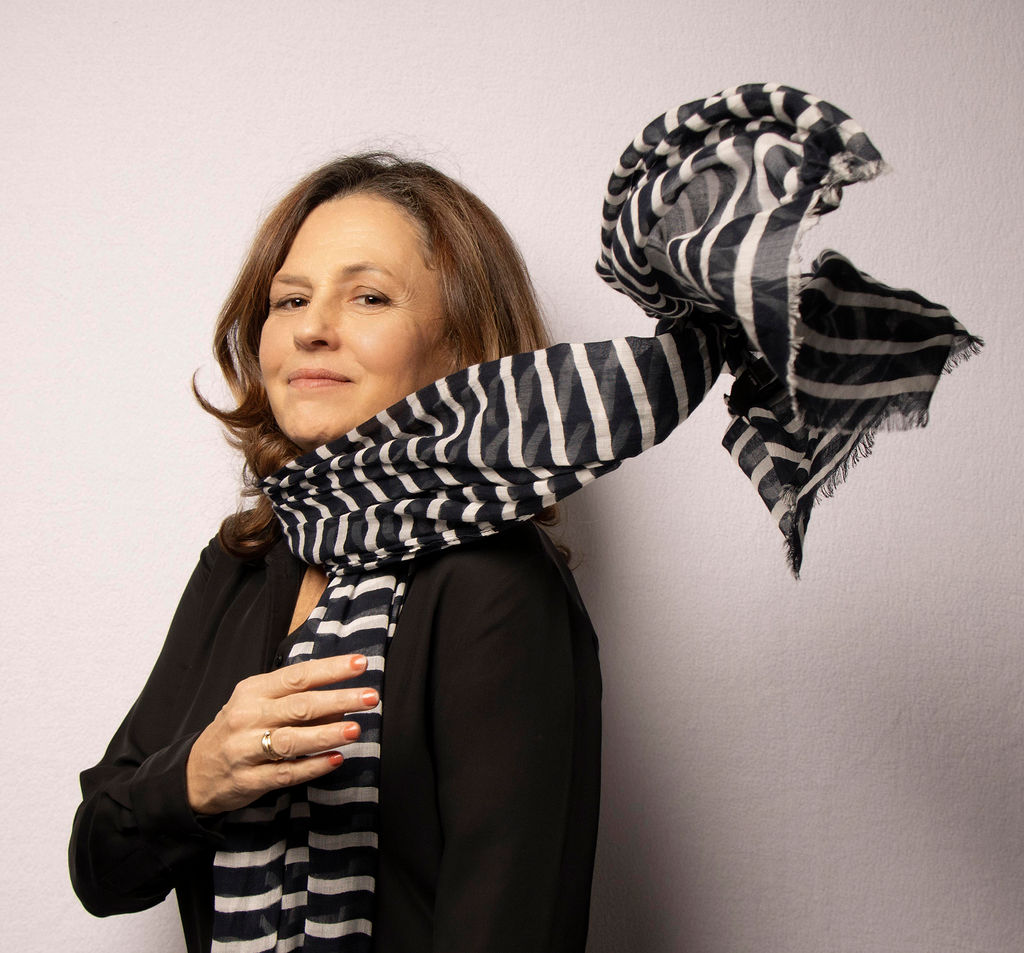
Yolante Du Koenig, also known as yo yo, has a PhD from the University of Bath, where she spent almost nine years studying how physical activity and loneliness connect in older adults. Before that, she spent nearly a decade teaching Zumba and teaching cardiac rehab classes. Then she stepped away from academic research, trained in Ashtanga and Vinyasa Yoga, and started Bendi Life Yoga, a platform for people who feel stiff, stressed, and old before their time. Now she hosts her own show amid the Mess, where she talks to experts about health, relationships, and letting go of perfection. She calls herself a recovering academic. I can't wait to find out what she means by that.
Welcome, Yolante.
[00:01:45] Speaker A: Hello, Diana. Thank you so much for having me here.
[00:01:48] Speaker B: Well, before we get to your recovery academic, which I'm fascinated about, you said your PhD introduced you to yoga because you were close to burning out. And what did that burnout actually look like for you?
[00:01:59] Speaker A: Yeah, absolutely.
So a while ago, I was in academia, and I loved it. I was such a nerd on the inside. I love the data. I love surveying people, talking to people, finding out about what makes people tick. Of course, it was, you know, the exercise, sports and exercise science and the psychology that I was in.
So, yeah, I was so passionate. I still am, but at the time, I was doing my PhD, and it often consists of. It's all screen time, screen time, screen time. You're sitting, you're sitting, reading loads of academic papers, summarizing things, writing your own stuff, entering your data, analyzing your data.
And while it's super stimulating for the mind, my body was getting more and more and more hunched as I sat for hours at My desk.
So that contributed to kind of a few sitting injuries I called them.
So just really stiff hips. You know when you get like a lower back ache, it can be because your glutes are really, really tight.
But yeah, that lifestyle of just really super focused and putting all your heart and soul into this project. So a PhD is a 45-456-year baby that you are growing. It's all your original ideas, your original research.
So it's a lot and there's a lot of milestones you have to hit. You have to write the academic papers, get the chapters in and yeah, so it was kind of unsustainable. And despite being so passionate and all up in my head and I don't know if you've ever felt the thing. Like if you are constantly thinking, thinking and not feeling with your body, you become disconnected. You start to kind of not realize what's going on in your body. Your body is just kind of this funny appendage that's just there to be fed and it's all going on in your head and you can't stop thinking about it. So that's where I was, I started. Yeah, just not, not sleeping very well. Being really obsessed and feeling.
Yeah, generally quite, quite down. Because of course at the end of a PhD, at the beginning it's all, all roses or sunshine and roses because it's so interesting and you get to just dive into this academic research that really lights you up. But at the end, when all the deadlines start coming up and all the pressures and all the critique of course from your other academic colleagues, the pressure is really high. So at the end I found. So I was always into running, but it wasn't quite enough.
The combination of running and sitting for so many hours actually gave me that sitting injury because I was sitting, sitting, sitting, and then doing a really intense run and then sitting, sitting, sitting. And then what I needed was to kind of feel my body open up, my muscles move everything gently.
So I then found yoga to fix that thing. And it really helped. And I. And originally doing it for my hip, I then realized how disconnected my mind and body were.
And then doing that, we call it a mind body practice started kind of bringing my awareness back into my body, which might sound strange to people who are not into this mind body, practice, but it really helped me see the bigger picture and not become overly attached to the academic work I was doing. It wasn't kind of life or death. It wasn't the be all and end all, which it could seem like sometimes.
[00:05:49] Speaker B: How do you feel about how the yoga contributed to your, your academic output.
[00:05:56] Speaker A: Well, that just kept me sane, kept me alive.
You know, eventually it's a slog to finish a PhD. You have a viva where people are very critical about what you've done for the last five years.
So I needed. My VIVA was very tough, very tough. In fact, it was difficult because I essentially have never failed at anything in my life. I was very lucky at school, always high achieving. Everything I auditioned for, I tended to get a role.
And then this VIVA went really badly, really badly.
[00:06:35] Speaker B: What's a viva?
[00:06:37] Speaker A: A viva. So V I, V A.
And it is like a test at the end of your PhD process and external examiners who don't know you and internal examiners from the institution that you are in, they grill you. It's a real grilling. They ask you lots of questions and you have to justify why you did this and why you did that.
And some people breeze through it, lucky them.
But it was a really tough situation for me.
And essentially what I think is the external examiner didn't like the message I was putting out.
[00:07:15] Speaker B: I was wondering about that. I wonder if they were all sort of the older adults who were maybe not liking your research.
[00:07:21] Speaker A: They were, yeah. It was really interesting and this opened my eyes actually to some of the truth in academia, which contributed to why I left.
Because while all my stuff was evidence based, it was literally the words of my participants from that I interviewed them, I surveyed them, I did all sorts of stuff.
And this older adult external examiner was just a different kind of person from the ones I had interviewed and she didn't like the outcome personally.
For example, one of my recommendations, I looked at older people living in the countryside in England and what kind of activities contributed to them being active and to them being social and what was the interaction of the two.
And from their diaries it was very obvious that gardening was a huge deal. It was very important. It contributed objectively measured through objective measures to their activity.
And my external examiner said, oh yeah, but oh, you're not going to get me gardening, are you?
And they said, wait, wait, wait, hold on, it's not about you, it's about my participants.
But so anyway, long story short, it was a really difficult trial and they made me change a lot of the stuff that was in my thesis. But I got through it and you know, I must contribute some of my mental health stability on having a regular yoga practice because it is actually well known PhD students go through really tough mental health crises when they have these kinds of difficulties in their in their journey.
[00:09:05] Speaker B: Because you also wrote that people assume loneliness in older age is about being poor or isolated by circumstance, but your research found that it's often not about money at all.
[00:09:15] Speaker A: Yes. So it was really interesting. I am. So I surveyed, I went to the countryside near where I lived. The whole county went to people's homes, so I could kind of see the homes they lived in as well. And there was lots and lots of questions directly measuring loneliness and isolation, which are two different things. So loneliness is that subjective feeling. Isolation is literally how many people do you contact?
And the two aren't always the same. Someone can be lonely even if they have people around them, and vice versa. But what I really saw was this like, funny curse of the privileged. I called it myself, the curse of the well off was the well off people who had these amazing homes. You know, you walked in and you saw the fancy carpets and you saw the fancy glasses and it was lovely to be there.
But they often, they told, oh, yeah, my daughter is in Australia, my son is in Canada.
This, that, the other. They're, they're doing such a great job. It's fantastic. But when you surveyed them, they were lonely more often than not. And then I would go, even on the same day or soon to someone else in the tiniest little home that was kind of dirty. It wasn't really being kept up very well.
But they would be just so like, oh, come into my home. Yes, have a cup of tea. Oh, my daughter's gonna come over in a moment. You know, they would have their family come over once or twice a week. The grandchildren were local and this was probably because their children hadn't been given the opportunities to do the traveling.
So it was a funny paradox. They were less well off materially, but because of that, they tended to have the family closer when they were older.
[00:11:03] Speaker B: Yeah, they were probably in their gardens bending over and growing their own vegetables. Probably.
[00:11:09] Speaker A: Yeah, I mean, the well off people would do that as well. That's very much, that's also very much horticultural stuff is a huge interest for well off older adults in the uk.
Hence why I made that association between exercise and gardening. It was a very strong one.
[00:11:26] Speaker B: Look, growing up, I was told there were certain jobs that it wasn't very ladylike for me to do, like working as a bartender. I really wanted to be a bartender. You know why? Because I wanted to speak to people, I wanted to find the bar and essentially their therapist.
[00:11:41] Speaker A: Yeah, yeah, absolutely.
[00:11:43] Speaker B: And then, then I, I ended up working as an assistant to a gardener, a master gardener. And, and my mother thought that was a wonderful job because someday I'd be tending my own garden, so it was acceptable.
[00:11:54] Speaker A: Oh, that's good. That's good. It's very active as well. Lots of sunshine. Good for health.
[00:11:59] Speaker B: Yes, it was a wonderful job, actually. I actually quite miss it.
[00:12:03] Speaker A: Yeah, absolutely. It's always. It's a good skill to have to know how to look after plants. Definitely.
[00:12:09] Speaker B: Knowing how to prune roses and how to weed and to know what is a weed and what is not a weed. Although some people think that even weeds are legitimate plants that deserve their own space as well.
[00:12:18] Speaker A: Yeah, yeah. Well, we kind of think that although we're lazy gardeners, so we have two young children and we do love wildlife, we love wildlife and so do our children. They're constantly like, look at the bee, look at the wasp, look at the ants.
So our garden is a bit overrun with weeds, but we just say the bees love them.
Really good.
[00:12:40] Speaker B: Yeah, yeah, yeah. There's a section of a place in Switzerland and I keep a part of it just non. Not mowed for a long stretch of the summer to. For the bees and.
Yeah. And then eventually I do cut it and give it to the farmer. But it's, it's, yeah, it's, it's. It's really important to not cut too quickly in the season, to let the
[00:13:01] Speaker A: bees have a chance, I think, until after May, isn't it? It was like the people have this action.
[00:13:06] Speaker B: No mo.
[00:13:07] Speaker A: May, I think.
[00:13:08] Speaker B: Right. Well, in the mountains it stretches into June because it's higher up.
So what does a recovering academic mean to you?
[00:13:17] Speaker A: So like I said before, I am so passionate about research. You know, I, I could just dive in there all day long. And it's, it's, it was really difficult to leave academia because you get very entrenched. It's like a way of life, you know, you kind of get into the system and it's. Life is about finding more research. There's always more. It's always like every paper ends with more research needs to be done.
And so, yeah, there's certain things that get you kind of stuck in the life in academia. And it's, they say the ivory tower. So you get a little bit stuck in that tower without.
Some people then don't have the wider picture about what's going on in society.
So it took a little bit of a tug to get me out of, of academia. And it's kind of a common phrase. Several academics say this because you just get so obsessed. You go to conferences and all you do is talk about your studies and things, and it becomes like a real obsession.
And so in a good way, of course. Researchers are so passionate about what they do, and that's what keeps them there. Often, even if the job is really stressful, it's not, you know, got. You haven't got the work life balance, but people stay in it because it's such a labor of love to feel like you're making the world a better place through this research.
So, yeah, so extracting yourself is difficult. And then you kind of feel like, okay, I'm recovering from all that intensity.
[00:14:51] Speaker B: That's so interesting. I have an ancestor, like, four generations away who was a philosopher here in the United States, and his name was Charles Sanders Purse, and he was a philosopher. He's the one who started pragmatism as a. As a whole branch and. No, but the whole idea of pragmatism actually stemmed from. Prior to his research, people just accepted in reli. In sort of religious homes that whatever God says is true and whatever is in the Bible is true. Don't question it.
He's the one who's created this sort of scientific, academic way of research where you have a hypothesis, you research it, you come up with your new conclusion. But then you get this niggling doubt that scratches at you and goes, wait a minute, that might not be true. Then it leads you to more research, and then you create your paper, and then there's another niggling doubt that comes, and it forces you to constantly revise your opinion about something. And that's what pragmatism is. I didn't realize that.
[00:15:52] Speaker A: And the important thing to realize about science is that the science is never settled. If anyone tells you the science is settled, that's a red flag, actually, then they really don't know much about science because people are constantly disproving their hypotheses. That's the whole point, is you make hypotheses and then you actually go out and try to disprove it.
[00:16:13] Speaker B: And his personal life was a total mess. You know, he. He ended up getting married to some daughter at Harvard and ended up leaving her on their honeymoon. And. And then he was barred from teaching at Harvard after that because he was so lucky.
But then Henry William James ended up supporting him for the rest of his life because they were very good buddies anyway. So it's. But I think, you know, on a personal level, he was a disaster because he probably was sort of obsessed with academics and not paying any attention to his private life whatsoever.
[00:16:41] Speaker A: Yeah, perhaps he he needed to recover from that a little bit.
[00:16:45] Speaker B: He should have met you.
[00:16:47] Speaker A: Yeah, but, yeah, but one thing that also made me leave academia is getting more into yoga. So supporting my mental health, going through this PhD process.
I also.
Yoga is, is very non egocentric. It really makes you realize that everyone is essentially the same. You know, no matter the background, what you look like, we all have this like inner core of energy that is the same essentially. It's a really lovely egalitarian mindset.
And then it highlighted more and more for me in academia how there were these big egos.
And it just didn't gel with me. I just can't.
Some people can, can be fine with it, but personally I just thought I can't be around this every day.
And there was, you know, the big egos, the top academics in the department, they all have their theories. You know, there's a theory of this, a theory of that.
And although science is meant to be trying to disprove theories, you know what we're talking about just now, I would find that the research would be seen good if it always was bolstering their theories. If something is like, oh look. And it perfectly fits this theory that we already have.
So I find that I kind of saw from the inside that people were just a bit too attached to their ideas.
And I personally actually found it a bit unscientific.
But I'm not saying all academics are like this, but it can happen.
[00:18:20] Speaker B: There's, there's a breast cancer research that they did on female hormones where it's a very famous research project that cost I think millions of dollars. And they were so tied to the idea that giving women hormones in, in perimenopause and menopause, I think in menopause would create cancer.
But they just kept going and they spent millions of dollars. And actually the outcome of the research, it wasn't conclusive.
[00:18:46] Speaker A: Yeah, so this was the Women's Health Initiative. The Women's Health Initiative. So that study was shut down early because in the early results, because I think when randomized controlled trials are done in a topic that is potentially really important for health, you know, some, one group could maybe die more if they don't get this particular medication. They do earlier results, they run the stats a bit earlier to see where are the trends going. And there was a trend that the group getting HRT had a non statistically significant increase in breast cancer. So it wasn't statistically significant.
And that is a test that is to do. So if it's not statistically significant, it Means it could be due to chance.
So there's always natural variation and this could be a chance thing. And statistically there's not like a clear difference.
So it wasn't. But the researchers were like, oh my goodness, what is going on? Stop, stop immediately. And without proper consideration, they held a press conference. And it got out to the world that HRT causes breast cancer.
So that's the kind of Women's Health initiative story.
[00:20:01] Speaker B: So speaking about getting old before one's time, your whole platform is built for people who feel old before their time, right?
[00:20:08] Speaker A: Yes, yes. But I do have to say one little correction. So I was called Bendy Life Yoga, but I have changed the name recently, but it was fine. Getting that idea of Bendy Life Yoga out there is also lovely because it is very much about a lifelong practice. So keeping yourself feeling well, well into old age. But. But currently it is actually called Amid the Mess Yoga because I really want people to realize that they can do it amid the chaos of their homes. Not to feel like, oh, I have to have this beautiful workout space and then I can do it.
But. But that aside, yes, lifelong. It's. I'm very passionate because of course I studied aging and I know from having interviewed older people it's the habits you start earlier in life that are the easiest to continue.
So we should not wait until we're 70 and then go, oh, wait a minute, I feel a bit stiff and I can't stand up from a chair.
[00:21:10] Speaker B: Although not too late though, right?
[00:21:12] Speaker A: They could still Never too late. Never too late. Anything you do at any age is so much better than not doing it.
[00:21:20] Speaker B: I'm a Mayo Clinic trained coach and they said it's anything you do is money in the bank.
[00:21:25] Speaker A: Definitely, definitely. But if you are still in your 30s and 40s and 50s, there is extra benefit if you solidify your habits now.
So, you know, you solidify your mobility, your yoga, your strength training, walking or running, and whatever you do in the habits is something you will be able to continue even when you get then the health challenges coming your way, even on an identity level. Because I re. When I interviewed older people that were really active, they all would say, well, you know, I've always been someone who plays tennis, I've always been someone who plays golf. Or it's always like, even if they stopped for a while. So they would have played tennis when they were younger, like teenagers, then they had their children. Life goes upside down when you have young ones. And then they said, yeah, but then I picked it up again because I was always someone who played tennis.
So it was very clear theme that
[00:22:25] Speaker B: the identity is so important for getting people moving, isn't it?
[00:22:28] Speaker A: Yeah, definitely. I'm also.
[00:22:30] Speaker B: Do. I do. I'm a tiny habit certified coach. And that's a huge part of, you know, you. If you get somebody doing something even for one minute consistently every single day, like, even though it's only one minute, they. They're like, well, I do it every day. I do this. I am the kind of person who will, you know, floss my teeth every day or I'm the kind of person who will take a walk every day even though it's only one minute. I mean, it sounds ridiculous. Usually people do more than a minute, but the Success happens after one minute.
[00:22:58] Speaker A: Absolutely. Yeah. I, I 100% agree with you. And it's really relevant for yoga as well, because there's some very simple moves you can do that don't even require you to get into yo. Into workout stuff or get a mat out. You can sit on a chair or anywhere and like, just like put your, your ear to one shoulder, inhale, and then exhale, bring your chin forwards and inhale other ear over the other one. And you're really stretching the side of your neck and the back of your neck. And if you make a habit, I would have say do that a few times when you're having breakfast or lunch or dinner.
You know, the habit stacking. I'm sure you talk about that a lot when you have something you do anyway and you add something new on top of that.
So something like that super beneficial little tiny things.
[00:23:45] Speaker B: Well, I love this whole concept of mobility or the bendi. I mean, I know you changed your name, but in. Because I practice karate, which is a martial art.
[00:23:55] Speaker A: Yeah.
[00:23:55] Speaker B: And.
And we, and our sensei talks about.
Well, maybe it was her son's era. It was maybe in one of the books that I read that that, that trees, as they get older, they get very, very hard and they get very. They're more breakable in a big wind. In a storm.
[00:24:10] Speaker A: Yep. They get fragile. They get kind of fragile. And yes, they get in there because
[00:24:15] Speaker B: they're so tough and they're so hard.
They're. They're not able to withstand big winds. Whereas trees that are young, the young shoots tend to. They bend like bamboo bends in a wind.
Whereas an old tree that's getting really, really hard will not withstand wind as well.
[00:24:33] Speaker A: Yeah, it's more. Not fragile, it's more brittle. Brittle.
[00:24:37] Speaker B: That's the word. Yes.
[00:24:38] Speaker A: Yes. Yeah.
And I guess the Simile. It's very good for humans as well. It does naturally, I think as we naturally lose muscle strength and bone density, everything just naturally gets stiffer as well, unless you do something about it, because you absolutely can do something about it.
And an interesting thing I actually heard recently from a yoga anatomy expert is that flexibility isn't just making your muscles longer.
In fact, it's. Sometimes the flexibility can happen or bendiness is when you make your muscles stronger as well. It's that combination because stronger muscles make your body feel safer.
So if your body feels unsafe, it kind of does.
You know, it tenses up. If you feel like everything is not supported, it all becomes stiff and tense. And so if you do both mobility stuff and strengthening, your body's nervous system can relax. Because it's like, oh, yeah, I've got this really strong back muscles, I've got these strong thighs, I can chill out a little bit.
And that might sound really weird to people who don't think about the nervous system, but so much in our body is governed by. Is your nervous system thinking it's a stressful or threatening situation.
So the stiffness in your body, things like your immune system, things like how good your blood flow is to different parts of the body.
So yeah, anything you can do to make your body think it's safe.
[00:26:14] Speaker B: I know someone who just ripped their Achilles tendon playing squash and. But here's the weird thing. He's been playing squash all along. Yes, he was playing with the world number one as he had a chance to play with him, but he, he wasn't doing a movement that was unusual and he ripped his head. Now, I know that in his personal life he's going through an immense amount of stress.
Mm.
[00:26:38] Speaker A: Could be related. Could be.
[00:26:39] Speaker B: I was wondering if it was related.
[00:26:41] Speaker A: Yeah, it could be. I mean, there's no way of ever knowing really because it's like a one time occurrence. We can't measure things in his body, but it could. There's always multifactorial, isn't it? And sometimes when you play sports, like, like squash or something, squash or even running, you do something.
The playing of the sport doesn't actually strengthen your muscles, it just kind of uses them in a very high impact way. So if you wanted to prevent that, you'd have to work on in like a, like a more strength training way. Work on the strength in your calves and your ankles and that's how you would prevent that in the future.
And of course, mobility things like yoga, because sometimes people think doing the thing is going to make me stronger in the thing like squash. But actually real athletes will train outside of that sport to support their body when they get into the situation of playing that sport.
[00:27:42] Speaker B: That's so interesting. I love that. I have a friend who's, who's British, he's a rowing coach and he's combining rowing and yoga.
He's found that rowers are less likely to get injured if they do yoga.
[00:27:57] Speaker A: Yeah, well, you see, I would go out on a limb, my bro science here, because I know there's not science in this, but I am very biased. I would think almost any sports would be benefited by yoga personally because it's just all about like awareness of your body, strengthening all the muscles around the body.
It's like just supercharging your body for whatever you want to do in other times. So yeah, I think a lot like football players I think do it, but then like yoga. So some people are very scared of doing yoga or they're like, oh, it's really unfamiliar. I'm not so bendy.
It might interfere with my Christianity. You get that a lot as well.
Fair enough. I understand.
So there's a lot of barriers, but people have to understand there are so many different types of yoga. You can find what works for you and you can find ones that are not spiritual at all, or even some of them are spiritual in like a energy kind of way.
And so they will intensify whatever faith you have already, that kind of thing, if people are a bit scared of that.
And there's really active ones that make you super strong. And then there's more relaxing types that make you really chill and lower your anxiety.
So there's something for everyone.
[00:29:21] Speaker B: So how does yoga relate to letting go of perfection?
[00:29:27] Speaker A: Yes. So. So my personal journey, of course. Well, for first I'll talk about my personal journey and then maybe more about actual yoga. But. So I had started having a family about five years ago, almost five years ago.
And before that I could just do exactly what I wanted.
I would have this perfect hour long practice every morning exactly where I wanted in a nice clean room at the time I like.
And then having had a baby, I fell into a bit of a hole. There's no time, no time to clean the house. Everything was messy and dirty.
Our first baby was very clingy, you know, very, very, can't put baby down at all kind of clingy.
[00:30:12] Speaker B: I was like that.
[00:30:13] Speaker A: Yeah. Oh, you see, I wasn't. My mom was. My mom was like, you're such easy baby. Like, wow, I don't want to hear that.
But yeah, he's, he is a fantastic child now. Absolutely. But yeah, so I, I then a few months in had to make peace with the fact that I, if I want to do anything like this, I just need to like wipe the toys to the side and just roll out and just do my thing amid the chaos, amid the mess, sometimes even when it wasn't relaxing, you know, if not a relaxing situation.
So that's what made me personally come to grips with letting go of that perfection.
And yoga itself is for you to go inwards.
So actually it really cues you to become aware of your body, aware of your breathing, aware of all the thoughts and emotions that are going in and not to judge them.
So even if you feel like, oh, my ankles feel super stiff or oh, I've got this like stressful thought in my brain, you constantly practice to observe it and let it go. Kind of observe it and not judge it. It's not good, it's not bad, it just is there.
And in doing that, everything starts to feel a bit better, starts to feel a bit more peaceful.
So yoga is not looking for perfection, which is a huge misconception.
People might see poses on social media and be like, wow, that's this perfect, beautiful body doing this amazing back bend.
And that is not at all what the purpose of yoga is at all.
[00:31:56] Speaker B: I have to admit. I've, I've been, you know, I compare myself to those bending bodies and I, I can't do a crow. I can't, I can barely bring my knee up to get into downward dog, like it's, or not downward dog, you know, into one of the, the warriors. You know, it's, it's not easy for me to, I have to sort of swing my leg in order to get it up.
[00:32:17] Speaker A: Yeah, yeah, yeah, absolutely. And that's more than some people can do, definitely.
And I think, and the more that you do practice, if you're really focused on that inner awareness, the level of caring or about all of that stuff goes away, you start to realize that that all does not matter.
And that just comes with practice. Like it's, yeah, it's a long term practice to become just aware of how your body moves is fine. Like everyone makes a different shape and it's all about feeling the sensation. So if you are doing whatever pose you just really focus on where in your body do you feel this and you breathe into that place.
And this may sound crazy, but it trains you to become comfortable with discomfort.
So one of the key things is in yoga we Put our bodies in all these crazy positions which look different for everyone. We don't have to look the same. And we, we, we are uncomfortable. You feel sometimes a stretch can feel really uncomfortable. And you breathe really deeply. You remind your nervous system that you are safe because you're taking these deep diaphragm breaths.
And it teaches your body to be like, oh, I'm uncomfortable, but I am safe.
And that kind of translates into the rest of your life. That is part of the practice.
[00:33:39] Speaker B: I love that, you know, Alcoholics Anonymous, they people, there's these 12 steps, and the 11th step is called Use Prayer and Meditation to Improve My Life. And there's a guy, there's a priest in India who is taking in all these streets kids who are homeless and orphaned. And he brings them into his house and he teaches them the 12 steps and he teaches them yoga. And he made a presentation at this conference I went to on addiction. And somebody in the audience said, well, shouldn't we change the 11th step to include yoga? And he said, in India, yoga is meditation.
It's the same thing. Because I've heard, you know, when people are teaching me meditation, they say, and if you have a thought, just let it go. Like in the way you just described it.
[00:34:27] Speaker A: Absolutely. And so actually, so traditionally in India, yoga is like an Eightfold step. There's the eight limbs of, they call it eight limbs of Ashtanga yoga. And the whole purpose of this journey through the eight steps is to reach this meditative state.
And so the first step is actually, well, one of the first steps is asanas, which is a word for yoga poses.
So your poses are only one step in the journey. It's the step to bring your awareness into your body and also to make your body comfortable enough so you can sit still on the ground. So it's literally all in preparation for you to sit still and focus inwards to do your meditation.
[00:35:08] Speaker B: And that's just the first step. What's step number two?
[00:35:11] Speaker A: Yes, so there's eight steps. So there is. This starts with the yamas and niyamas. So yamas, there's five yamas, five niyamas. And these are ethical principles.
So you get things like ahimsa, which is the kindness non harming to all beings, including yourself. There's svadhyaya, which is self study. Let's see if I can get them all. But there's things like non harming, self study, cleanliness, things like that. There's all like there's five things kind of relating to yourself and then five things to relating to the outside world. Like non stealing.
I can't say them all now, but it's like a really nice. Basically the ten Commandments in Indian style. So it's all, you know, every. I feel like every faith, every spiritual lineage has a similar kind of thing. Be a good person. That is the beginning of yoga. And then the second, the third step is the asanas. So you do your physical movements to make your body comfortable, to bring your awareness inner inwards.
And then there's something like sense withdrawal and then there's focus.
And the final step is finding samadhi, which is like inner enlightenment. That you are so centered.
And most people never reach that final step.
[00:36:32] Speaker B: Or they may fleetingly. Maybe they just.
[00:36:35] Speaker A: Yeah, exactly.
[00:36:35] Speaker B: Whereas I reached it and I've never been able to get back there.
[00:36:38] Speaker A: Exactly. You get little fleeting. Like if anyone listening has done yoga, you're remember that there's this lovely Savasana at the end where you just chill out and lie on the ground. People get fleeting glimpses of that when they are really calm. Their nervous system is super calm and they're like focused on their breathing and their sensations in the body.
You might feel really peaceful in that point.
[00:37:01] Speaker B: That sounds ideal.
[00:37:03] Speaker A: I love that people love a Shavasana. They're always like, can we have a really long Shavasana today, please?
[00:37:10] Speaker B: Yes.
I was thinking about the like letting go of perfection and Tavasana, like is there and maybe people trying to strive for that state of perfection.
What's in the way of reaching it maybe?
[00:37:24] Speaker A: Yeah, the more you strive for that, the less it's going to come.
It's kind of doing the actions without attaching yourself to the outcome is how you get there. Which is really difficult because I think our society is so outcome driven, isn't it? It's like, okay, I'm gonna do yoga because I want abs or I want to fix my back pain or.
But actually it's doing it as like a rhythm, as like a ritual without attachment to the eventual outcome is a more yogic way of doing it, but difficult.
[00:38:01] Speaker B: But also, are you driven by it because your body's just craving it?
[00:38:06] Speaker A: Yeah, probably.
I think anyone who experiences it would crave it.
Because if you haven't been aware of what it feels like to be in touch with your whole body, when you then experience that a world opens up, you're like, oh, I can feel my hips, I can feel my shoulders.
It does get people hooked.
[00:38:30] Speaker B: I also play the piano and I have not touched the piano in a long time, like at Least a few months or maybe one month. And I'm feeling quite ashamed about it. And I was thinking about that time when you were the new mom and you didn't find the time for your own practice and how you just, you know, shoved the Legos aside and was like, all right, I'm just going to do it here.
What actually got you to shove the toys aside and just lay, like, put down your mat and do it? Mm.
[00:38:56] Speaker A: Well, for me, with my first, I did go into a bit of postnatal depression.
So I just knew. And from what I know, being a yoga teacher, I know I need to get this back in my life to make me feel better.
So, yeah, what it looked like for me was I just.
I started being really dysregulated in my emotional state and my reactions. I'd be really catty, especially to my husband, poor thing.
And so there was a cycle, kind of hyper controlling mum behavior. So really, really obsessed with getting the nap schedule absolutely perfect.
Worrying if there was a missed feed or the feed was a bit later and biting my husband's head off if anything was outside my plan and then hating myself for it. So these cycles of self hatred, it was really ugly, horrible place. And so that was just in my. And I just convinced myself I need to get back into my yoga practice. I just knew that as a teacher.
So that was enough motivation to be like, okay, I'm just gonna, you know, shove everything to the side when I have nap time.
When baby is napping. I am not gonna spend any time tidying the house. My first priority is to get down and look after myself. So that was my motivation.
[00:40:18] Speaker B: I love that. I love that. I was also thinking about Brene Brown and the Gift of imperfection. Did you ever read that book?
[00:40:25] Speaker A: I have a long time ago, so. But I love Brene Brown. But yeah, the book was many years ago.
[00:40:32] Speaker B: It made me think of that because I think so many people are like, oh, I can't have people over because my house is a mess.
[00:40:37] Speaker A: Yeah, that's such a shame. Like messy gatherings. And that's one really nice thing about being in the circle. I am.
We have young children, our friends have young children, and everyone gets it. You know, you get them over and it's a state and they're like, what's different? Our house is a state. Your house is a state.
[00:40:55] Speaker B: It's maybe good to clean up with your children. You're teaching them good habits instead of doing it when they're asleep.
[00:41:01] Speaker A: Yes, I'm going to work on that.
I'M going to try and give that one a go.
[00:41:05] Speaker B: I'm from Switzerland and the Swiss are very much, you know, before you teach a child a letter, you need to teach them to put away their toys. That's sort of like the Swiss academic thing.
Kindergarten is not about reading and writing. It's about putting away toys.
[00:41:20] Speaker A: Yeah, it's really good.
[00:41:21] Speaker B: And then about habits.
[00:41:23] Speaker A: Yes, yes, absolutely.
I must confess, we need to get better at this. We need to teach our children more of this.
[00:41:32] Speaker B: I remember going to this person's house and their child was little bit perfectionistic, though I have to say about, oh my, that toy belongs there and not there. That's where it lives. And she was very like, no, no, no, that belongs there. And correcting my child. They'll put it there. It was very cute. Yeah.
[00:41:51] Speaker A: Yeah, I guess. And kind of something just came up into my mind about perfectionism.
So when I started my business, the only way I managed to get myself off the ground is by not being perfectionist about it. Because if you're trying to do a new project and you wait until you are absolutely amazing at it, you've waited too long. You could have started like last year.
So getting things out kind of rough and ready, quick and dirty, it's difficult for a lot of people.
I'm able to do it, but my husband is the absolute perfectionist. So I'm constantly trying to get him to be like, okay, this is really good. It's good enough.
[00:42:36] Speaker B: You put it out there as a writer, I get that because I, A lot of my. I have a few clients actually who are writers or who are very good at writing, but they get, they have that perfectionistic voice. Who's. Who are causing them to edit themselves while they're writing.
[00:42:52] Speaker A: Yes.
[00:42:53] Speaker B: And, and, and trying to get them to just write in any which way comes out. Who cares? Just, just let it out, just. And then later you can edit it.
[00:43:01] Speaker A: Yeah. And that's a real practice, isn't it? And some people are naturally more inclined to perfectionism. There is, I don't know much about the research. It's a whole topic, it's an academic topic, perfectionism.
And there was a researcher who was at the department I was in Bath, who's now a big perfectionist researcher.
I can't remember his name off the top of my head, but I have read some of his research and it's related with all sorts of negative things.
So people, people might pride themselves. They might be like, oh, well, I'm a perfectionist.
And it's not a Good thing. It's not a good thing. It's with, like, neuroticism, with depression, with a lot of negative psychological outcomes. Because life just doesn't happen if you wait for perfection and your inner critic is louder. So, yeah, generally, if people pride themselves, you've got to rearrange your mindset a little bit.
Yeah.
[00:44:00] Speaker B: Because you had, you had a. You have this podcast which we. We haven't spoken about because you started your business and. And you have the yoga and you have this wonderful podcast called Amid the Mess.
[00:44:10] Speaker A: Yeah. Thank you. Yeah. So I, I got really sick of listening to podcasts about health.
So I am. I love listening to health related podcasts, but it's always by essentially quite young men or women who don't have a family yet.
So it's like all these really idealistic. Because of course, if it's just yourself you're looking after, it's like, I can have a morning routine.
I can go to the gym after work. I can then have a lovely, relaxing evening and have a perfect night's sleep.
And I got really sick of hearing this. I think, well, who's talking about the parents? Like, we want to be healthy too, and it's really difficult for us.
So I thought I wanted to make one of those podcasts where health experts come on to talk about all sorts of health relationships, but all the experts have to be parents themselves, and they have to understand what it's like. They've got to understand the chaos, the mess, even if they're teenagers and now their children are teenagers.
But I want the perspective of how can we do these amazing health behaviors but realistically fit them in to that chaos of family life?
[00:45:25] Speaker B: I love that. Thank you. You spoke with Pauline Toussian. Am I saying that name right? About finding purpose in career and in family? And what do you think is her take on people who feel lost or like they haven't found their purpose yet? That maybe they are trying to find the perfect thing?
Yeah.
[00:45:42] Speaker A: Yeah. Well, she was really easygoing when it came to purpose, and she actually busted the myth that you don't find your purpose.
It's like it's a constantly evolving thing that you are working on and that even if the job you're currently doing isn't your ideal job, there will be elements within that that really light you up.
And if I remember as a while ago, a long time ago, I spoke with her, but I think she might say something like, just be aware of what those things are that really light you up and then slowly start to increase that into your life and let it be an evolving picture.
So when I spoke to her, one example I said was, back in academia, I was always drawn to the artsy, artistic stuff. So I love making posters.
Anything that had graphics in it, I was like, oh, I'll do that. I'll make the graphics, I'll make the poster, I'll do the fancy animations. I just love creating that stuff. And so now I get to create podcasts, create content for social media, create my yoga classes on my app. So that gives me a lot of joy, the kind of graphical representation. So in a way, I found that even in my academic job and then I just pivoted to try and maximize that.
[00:47:06] Speaker B: So you mentioned your yoga app. So can we in America sign up for your classes?
[00:47:12] Speaker A: Absolutely, yes. So that's the joy of the Internet is that there are no borders.
So currently my website is www.amidthemess.com.
and if there's any. I know your podcast is probably a wider audience, but if there are any more mums out there in your audience who feel like they need to, like, find themselves again and revive their fitness, their mental health, because the years of child caring have kind of made them forget about themselves, then I do have a free course that you can get on my social media page. It's like a freebie. I'm very excited. I've just made this free course, so I'm mentioning it. It's, it's, it's like this free thing. But I'm really excited for people to see it.
But yeah, but anyone else can also look at just my main website and it's yoga, strength based yoga for anyone who's up for building some strength.
[00:48:12] Speaker B: That's wonderful. You mentioned motherhood.
You've said you want to challenge the idea that you can have it all, a high achievement career and enough time with your young kids. And at the same time, can you unpack that?
[00:48:23] Speaker A: Absolutely. So it kind of annoys me when I hear people trying to have it all or it doesn't annoy me, but I feel sorry for them because it's like when you've been invited to two different parties and you're like, okay, well, I'm going to go to that party for two hours and then I'm going to go to that party for two hours.
You don't enjoy either party. You have to be like, okay, I'm going to go to that one and fully enjoy it.
And that's similar, isn't it? Kind of.
If you try to do all of it, you're being want to be a really engaged parent. You want to be a really engaged employee or business owner.
You literally, you don't have twice the amount of time. Both those things are full time jobs. So I personally have made a real decision.
I think it's a personal thing for everyone, so I'm not judging anyone. But personally, I really want to be a super engaged parent.
So in my brain I think money is a regenerative resource because in the future you can always make more money. If you have an abundance mindset, the money can always come flowing in, but time is not.
Time with your little ones is finite.
So personally I've chosen to take to do much less work prune. So there's a few things I had to prune away and that was really painful.
So I used to teach Zumba classes to older adults. I did it for years and years and years. And I did stop that last year because I said, look, I have this second baby now.
For the moment I'm pausing this and it was really painful. A lot of these older ladies really looked up to me, relied on me for their exercise.
And then last year I paused my podcast. So it can be painful, but I think altogether it's useful to prune your life. Which plates can you drop temporarily and which plates can you not drop at all? And then focus your energy a little bit.
[00:50:26] Speaker B: I so need help with that.
[00:50:30] Speaker A: It's tricky, especially if you're a yes person and if you're interested in so many things. It's so difficult.
[00:50:36] Speaker B: It's so difficult.
It's been my, I would say my biggest weakness in my entire life. Not saying no to things and trying to do it all.
[00:50:44] Speaker A: Yeah, it's so difficult. And of course because society has fed you this idea, you're amazing. You're going to be a super mom. You're going to do all of it. You kind of feel like you need to achieve it or else you might be failing.
[00:50:56] Speaker B: Yeah, it's hard to do it all. And I'm, you know, I'm just in awe that you were able to put your podcast away for a little bit and just not put it away, but just pause it for a little while while you're getting to it. When, when there's clicks episode.
[00:51:10] Speaker A: Yes. So. So my husband's going to take another day with our little toddler. So in September, I have one more workday and September I'm going to start, start interviewing more people and the next month in October, I will start producing the episodes.
So I'm very excited Also work wise. But actually I'm excited because I really enjoy it.
It's just like, like you, it's just so nice to connect with people all over the world and have a really intense conversation. It's just wonderful.
[00:51:40] Speaker B: I've met the loveliest people. It's just been so much fun.
And, and I would say I, I might be isolated sometimes, I might have a dog and I do have family, but they don't live in the same place I do.
[00:51:53] Speaker A: Yeah, you got the curse. You got the privilege curse.
[00:51:56] Speaker B: Yes, I do. And, and, but I, I don't feel lonely, I have to say.
[00:52:00] Speaker A: Oh, great. That's, that's good to hear. Yeah, yeah. But this will really help because you have high quality conversations with people and you really feel like you're connecting.
[00:52:09] Speaker B: So if everyone in the world practice yoga, what do you think that would look like? Oh.
[00:52:13] Speaker A: Oh my goodness. So a lot of people think it's just about getting flexible and strong and getting that amazing beach body.
But even if you go into yoga without with that mindset, it's perfectly fine. You will come out of a regular practice having more peace and being less judgmental.
Like I said to you, when I, when I got really into yoga, I realized I couldn't stand the egos. In academia, you become a lot more intuitively aware that everyone is the same, everyone has the same inner energy and we're all connected in that way. So I think if all the world leaders were into yoga, it would be so good. I don't think there'll be half as much war. There'll be a lot less.
Of course, this is all my personal opinion, but yeah, I think the world would be more peaceful.
We would care more about the environment.
We would probably be healthier because you intuitively start to feel the types of food that are good for you and the types of food that are not good for you. People that tend to get into yoga long term, they naturally drink less. You just kind of become more aware of the fact that the effect of alcohol is not nice on your body.
So, yeah, I think the world would look really nice.
[00:53:31] Speaker B: Lovely. I think you've motivated me to get back to yoga. Yay.
[00:53:35] Speaker A: Fantastic.
I just want to say thank you to everyone who's listened. Even if yoga is not in your mind at all, if you stayed and just been curious and open minded, that's amazing.
[00:53:48] Speaker B: Wonderful. Well, thank you.
[00:53:49] Speaker A: Thank you.
[00:53:53] Speaker B: If this episode landed for you, share it with someone who might need to
[00:53:58] Speaker A: hear it and if you haven't already,
[00:54:00] Speaker B: subscribe so you don't miss what's coming. But here's the real thing. I want you to know if you're carrying something you can't talk about. If you have every resource except someone who actually understands what wealth costs. I work one on one with people like you navigating exactly that. You can can reach me at diana o ehrlich.com. thanks for listening.