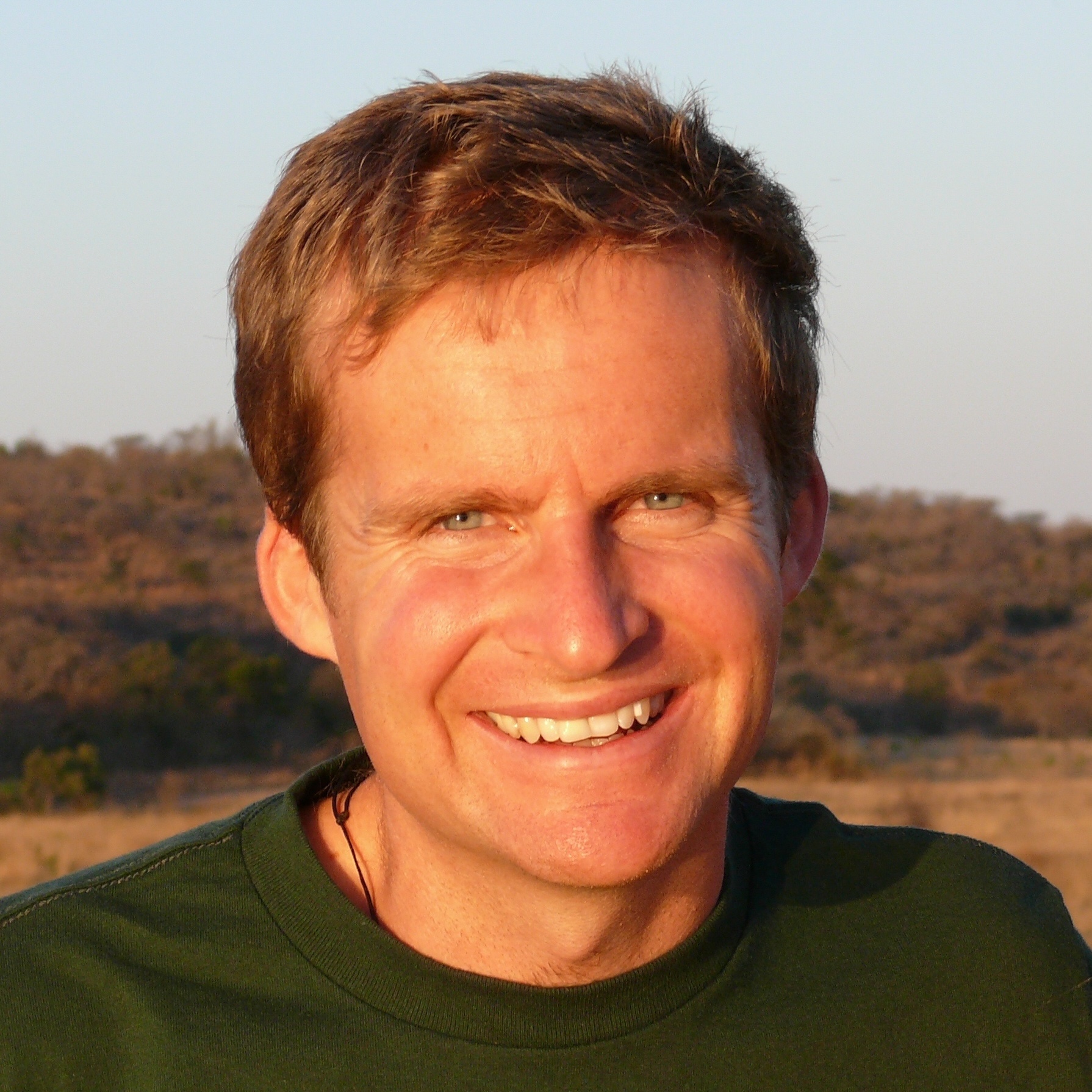
Episode Transcript
[00:00:00] Speaker A: The key is honesty, open minded, and willingness. Can I be honest with my feelings?
And honest knowing what I can and can't do? I'm in control of two things, my attitude and my actions. That's it. You know, I can't control what you're going to say, what you're going to, what you're going to do, how you're going to behave. But I can control how I'm going to respond to that.
[00:00:19] Speaker B: I'm Diana Earley, and I've spent most of my life learning firsthand what privilege actually costs.
The legacy control, the family expectations. The guilt of feeling trapped in a life everyone thinks you should be grateful for. If you've ever wondered why having everything still feels like something's missing, you're in the right place.
Welcome to Pressures of Privilege.
My guest today has been sober since 1991. That's 35 years, if I calculate that correctly. His first decade was solid. Lots of meetings, lots of Service. Then year 10 hit job problems, relationship problems. The kind that make you want to pick up again. He didn't. Instead, he went back to the beginning. He sat with the big book and he worked the steps again, page by page, line by line. What he found on the other side wasn't just sobriety. It was a peace he'd never felt before, and he still feels it today.
That experience changed what he does for a living. For nearly 20 years, Sean has worked as a sober companion.
He goes where the client is, stays close, and helps them find their footing in the real world. He's also a board member of the Global Recovery Initiatives foundation and has trained other recovery companions. He works globally. He knows this work from the inside out. Please welcome Sean Dugan.
[00:01:46] Speaker A: Thank you, Diana.
[00:01:48] Speaker B: So happy you're here. Sean, I was just thinking, I met you only virtually, actually, but we have some good friends in the program.
I met them in Costa Rica of all places.
Yeah, it's amazing how this community that we're in is so international.
[00:02:05] Speaker A: Yeah, definitely worldwide.
You know Michael, who connected us?
I met him here in New York. We go to meetings together. We've, you know, and in addition to just being, you know, meeting buddies, we've gone to social events together, too. You know, we've gone to, you know, baseball games together and, you know, football games together.
And that's one of the great things you get about being in recovery. You get people, as the big book says, we're people who normally would not mix.
[00:02:36] Speaker B: That's wild. I'm wondering if, would I, would I mix with Michael in the real World. Yeah, probably. I mean, he's. He's really funny. And what I wanted to say about that was the cool thing about being on a trip, you know, I was on vacation, and sometimes one can feel a little lonely, especially when one's traveling alone and going to meetings. You get to meet the coolest people. And at least, you know, at least they're. We're all on the same path. You know, we want to stay sober. And. And, you know, seeing him in the restaurant, I'm like, oh, another sober friend. I can just go sit with him and, and shoot the breeze and. And then we have, you know, common talking points. And, you know, and then I started to tell him about this podcast. He's like, I know a guy you should interview, Sean.
So that's how that came about.
So I'm so glad you're here. And, you know, it's. It's. It's not typical that people like to talk about recovery on a podcast or live.
And it's so cool that you're able to break anonymity and help other suffering or recovering addicts out there.
[00:03:43] Speaker A: Yeah. Well, I think, again, I am huge on the big book. Again, as you mentioned in the intro, I went through the book again. I was always did the steps in my first years read the book. But I really dove into the book, you know, in year 10, 11, and 12, and the forward in the first edition, it says, we are anonymous because we are too few at present.
And the book was written in 1939.
So, you know, we go to meetings today, and at the end of the meeting or in the middle of the meeting, they'll say, you know, who's available sponsor? You know, sponsorship is important. Who's available sponsor?
And, you know, if you're in a meeting of 100 people, maybe 20 people raise their hands. So that's 20 people who are open and available to sponsor the newcomer. In 1939, meetings were basically just in Cleveland, Akan and New York, you know, so they weren't able to sponsor. So again, Bill and Bob and the founders wanted to remain anonymous so they could go to the detoxes and say, hey, I'm an alcoholic. And recovery, I'm a recovered alcoholic. Who can I help? And I liken it to if somebody won the lottery, you know, you wouldn't want it public because although you want, you might want to donate money to, you know, great causes or help where you can. You would want to search those out rather than just say, hey, I've got $10 million to. To donate. You Know, you would have people coming at you with some great causes and some scams.
You know, some of those early days, they wanted to be the one. But I don't believe that I need to be anonymous now. My. My job is working in the. In the treatment industry. So again, it's not. It's not a secret, but I know people, you know, who are, you know, business executives, and they don't want it known that they are in recovery.
Typically if they're earlier in recovery, you know, in the first year, the first year and a half, first two years. So I get it. So whatever somebody else's reason about being anonymous, that's great. It's just. I don't feel the need for it.
[00:06:00] Speaker B: Yeah. So that's why they wrote that into the traditions. Plus, it helps the newcomer feel more, perhaps safe in the beginning when they don't want people to know.
[00:06:09] Speaker A: Exactly, exactly.
[00:06:11] Speaker B: Take me back to that year 10. Like, what was going on in your life that made you choose the big book over a drink?
[00:06:17] Speaker A: I was still living in Los Angeles.
I worked at a health club.
I was general manager. So I had a good job, making good money. I had, you know, a beautiful young girlfriend, had a nice car.
And I just started cutting back, you know, on my meetings.
I was still probably going to maybe one or two meetings a month. You know, my girlfriend was a lot younger than me, and again, she wanted to be seen more often or, you know, it was more important for her for. For appearances.
So I was on, you know, a couple different committees. So I would go to the committee meetings, but just was cutting back on, you know, on. On my recovery, my personal recovery. Don't think I was sponsoring anybody at the time. I've always sponsored, but it's just like there was a gap where I just. I think I didn't have any sponsors at. At that particular time.
And in, you know, five or six months, the relationship ended, my job ended, and I was, you know, and the relationship ended. But we were still living together, which was, you know, a daily challenge, you know, to have to see that person.
And it's not like I wanted to be back to back with her. It's just we. It had ended, but we were both stubborn and nobody wanted to move out of the apartment.
So I was depressed every day, wasn't working, couldn't seem to find a job.
And I got close to, you know, picking up again. And it wasn't the old thought of, you know, oh, it'll be different this time, you know, when we're struggling with addiction, or alcoholism.
We think, oh, it'll be different this time. I'm going to stop at 10 o' clock or I'm only going to spend $50. Oh, I'll, I'll show up for that meeting tomorrow. And once we pick up, we realize that we have no control over it.
So I didn't think, oh, it'll be great this time. It was like, oh, yeah, I'm going to lose everything.
But I would, I'd rather have that temporary enjoyment than this pain and misery that I'm going through every day. I said, I just don't want to go back to jail. Because for me, at the end, every time I started, I ended up back in jail, you know, in 1989.
And again, I, I, I came from private schools. I was a nice kid, my folks were married. I was, you know, an altar boy, boy scout. I did all those good things.
And yet because of my addiction, except in 1989, I went to jail seven times, you know, arrested, you know, overnight, you know, so seven times of spending at least one or two nights in jail and getting out and not doing any. One time I got arrested and was rearrested within three hours.
So in this tenth year of, you know, or ninth year of recovery, I thought, oh, you know, yeah, I just don't want to go back to jail, so I'm not going to pick up. And there was a back to basics workshop, which takes you through the steps in a month.
And I decided to do that instead of picking up.
And when I finished that, I did a one on one workshop with my sponsor.
[00:09:31] Speaker B: It's funny, there's a section in the, in the big book, I think it's page 80 or so. Well, the guy that he started drinking late, that story by the guy who started when he was like in his 30s.
[00:09:40] Speaker A: Yeah. He put it down until he was in his 50s. Till he retired.
[00:09:43] Speaker B: Yeah. No, he got laid off from the company that he owned, Jim the car.
[00:09:47] Speaker A: The car salesman.
[00:09:49] Speaker B: Yeah. Then he goes back into like a place where he used to drink. Like, okay, mistake number one. Right. And also his spiritual development hadn't been good. Like he, it said like he had cut back probably on meetings and he all of a sudden he had a sandwich and he was like, you know what? It might be good to put some whiskey. I'll have a milk and I'll put some whiskey in the milk.
So I find incredibly disgusting. Which I think for me, like, I don't identify with that at all. I knew an old lady in my neighborhood in Newport who came down one night, and she was like. With a glass of milk. She's like, I used. I was an alcoholic when I drank whiskey, and now I drink rum. I was like, oh, my God. I. We used to just joke about her all the time. Um, so that's. It made me think of her, actually, that section in the book, this thing of adding whiskey to milk and then back. You know, he had been in a. In a mental hospital for being violent. And he. But the thought didn't cross his mind that he might end up back in that mental hospital.
But with you, you're like, oh, this is gonna lead to jail. So you had the wherewithal. I guess your spiritual foundation was probably stronger than his.
[00:10:53] Speaker A: Yes, yes. And, you know, and again, when I'm, you know, speaking to people, that I sponsored that. That story, and I used to fly on Southwest Airlines a lot. I don't. I don't fly Southwest anymore. And I don't know if it's still true, but if you have an allergy, if you have a nut allergy, if you're allergic to peanuts and you get on a Southwest flight and you tell them you have an analogy to peanuts, they don't serve peanuts on the entire plane. Nobody gets peanuts. The whole plane has to get pretzels instead of peanuts.
So the person with a nut allergy doesn't say, well, maybe if I just suck on the. On the peanut, or maybe if I eat peanut butter. So Jim, that alcoholic, he wasn't thinking, oh, I can't drink at all. He's like, well, how can I maybe drink? You know, if I put it in milk, it'd be okay again. So we don't perceive it as that serious of an allergy until we finally get that spiritual awakening, you know, that psychic change. Change in our thinking.
[00:11:57] Speaker B: Yeah, well, you had the wherewithal, the awareness to know, if I do this, it's going to lead to that. But some people don't even. Like, there's something in their thinking where they just are delusional and they forget that.
[00:12:08] Speaker A: Right.
[00:12:09] Speaker B: What would you call that? Is that God's grace?
[00:12:12] Speaker A: The Big Book also says at some point in our drinking and using a career, or, you know, we will.
There will come a time that no mental defense can stop us. It's only God can stop us. So I had reached that point again. For nine and a half years, I went to meetings again. Even though I had cut back, I still believed and accepted that I had the disease of addiction, AKA alcoholism.
And, you know, God kept me, you know, mentally enough Oh, I can't do this. I can't do this. You know, but if I, you know, if I'd stayed out a little longer, maybe it would have been, oh, yeah, I can probably do this now, you know. So, yeah, it was definitely God's grace.
[00:12:58] Speaker B: Yeah, you had 10 years. I think a gym only had a year or two. Yeah. Yeah. Talk about the peace and serenity that's in your life now. What does that actually feel like day to day?
[00:13:07] Speaker A: Oh, it's especially in the, the political climate that we live in, in the social media climate.
You know, things are so much different than, you know, I don't know how old you are, but, but you and I are probably in the same generation. And, you know, we, we, we grew up without social media. You know, we, there's a Facebook meme. This is how we blocked people before. And you see a phone just, you know, off the hook, you know, you just, you know, unplug the phone. You didn't, you know, there, there wasn't all this. So now everything is instant, you know, and, and, and people get their validation from, you know, things online and the news that is fed us again. I grew up, I was talking to somebody yesterday. You know, there was three networks, abc, NBC and cbs. And they had the news every day. The news was free.
You know, they didn't care about the ratings and it was just the facts. And now your news you get from your algorithm. And if you like and interact with people who are liberal, that's basically what you're going to get. If you act and, and follow conservative things, that's what you're going to get. And people believe what they read on the Internet and it's not necessarily all true. So I have people who I won't interact with. I have a friend who works in this industry and I love him, you know, because his job is helping people get, and stay sober, as mine is.
But we had different political views. And I told him, I said, look, if you call me, we can talk about anything, but don't text me or comment on something because I don't want to go back and forth like this.
I want to call, I want to talk, and if you have something to say, you know, it's a back and forth. But if, if we're texting, I'm, you know, commenting on statement number one and you've already sent statement two or three. So, so I'm like trying to catch up. So. But we can, we can talk.
And I gave him many chances and I said, look, if you do this one more time, I'm going to block you on that, you know, that. That app. I'm not going to delete your number. I'm not going to block you. But you won't be able to contact me anymore on that specific device or that. That specific app.
And he finally, you know, did something, and I blocked him.
And we've had a couple conversations since, but I'm much more at peace, you know, I'm not going to deal with you if, When I. If. When. When I deal with you, you're giving me aggravation if I don't like talking to you. So I've found that I'm more at peace with this person, that I'm not worrying about what he's going to say.
So I can let people go. I can let them out of my life with love.
And again, so it's a process for me, you know, unfollow them, you know, or unfriend them to block them. And anybody I block still has my phone number.
You know, I had somebody, you know, a few months ago. Oh, you blocked me on Twitter. You know, I was like, yeah, but you're. We're still communicating, you know, I haven't let you out of my life. I just don't want to see what you're posting, you know, so I don't like horror movies. I don't go to it. So I don't go to horror movies. I'm not going to go to a horror movie and be upset. And, well, they should do this because I'm, you know, it's upsetting me. So I've learned how to let people be people.
And if we don't agree on things that I find disturbing, I'll cut you out of, you know, I won't see you on a regular basis in, you know, those. Those answers and those questions.
And I find myself much more peaceful and I believe, let people be people.
I can't change anybody.
[00:17:02] Speaker B: That is such a cool tip for people.
It sort of reminds me of.
You just won't go to that restaurant with them. You'll go to a different restaurant.
[00:17:11] Speaker A: Exactly. Exactly.
[00:17:13] Speaker B: Exactly. That restaurant turns your friend into, like, a toxic monster.
Because it's true. Those algorithms, I mean, those. Those apps, they've. They've admitted to hooking adolescents. I mean, they. They're, you know, and. Or I'm sure they are hooking more than adolescents. They're making everybody crazy. And it's a great way to set boundaries with people, I guess Boundaries is something that I don't really See much in the big book, like they don't use the word boundary I don't think, but they do talk about improving your
[00:17:43] Speaker A: life or the chapter that we read at the beginning of most meetings or you know, again, I go to meetings all over the world but when I got sober we would read chapter five, how it works and it's still read at many meetings worldwide.
And I was about 20 years sober and I just one day it clicked.
Maybe it's not this is how it works, maybe it's how. And it's talked about earlier in the big book that the keys are honesty, open mindedness and willingness. So how is an acronym for honesty, open minded and willingness? So maybe chapter five is not this is how it works, but honesty, open mindedness and willingness, it works.
[00:18:32] Speaker B: Oh well, you know, in Sex and Love Addicts Anonymous they have something called the how program and it's, yeah, it's, it includes like dating plans and all that.
Interesting.
[00:18:49] Speaker A: Yeah.
[00:18:50] Speaker B: And it's H o W.
So Yeah,
[00:18:54] Speaker A: so that again, one, again, that's something I learned at 20 years sober, that it's the, the key is honesty, open minded and willingness. You know, that isn't it? And how can I be honest with my feelings and honest knowing what I can and can't do?
You know, I'm, I'm in control of two things, my attitude and my actions. That's it. You know, I can't control what you're going to say, what you're going to, what you're going to do, how you're going to behave. But I can control how I'm going to respond to that.
[00:19:23] Speaker B: That's awesome.
So you became a sober companion. What made you decide to do this work and what does a sober companion actually do?
[00:19:32] Speaker A: Oh, first, how I got into work, I was in, in sales. Most of my life I, I've been in sales. You know, before I became working in the treatment industry, I was in sales, you know, telephone or mortgages, shoes.
You know, I've, I've always been in sales. I was I guess about 16 years sober and one of the guys that I sponsor had relapsed and he called me to, you know, let me know he had drank again.
And I just kind of said, okay, well, you know, you know, supportive. Many people relapse, they're right, you know, start again tomorrow, blah, blah, blah, whatever.
And you know, we hung up the phone and his girlfriend at the time called me back a few minutes later and she goes, I think he's going to kill himself.
So I called him And I said, I'll. I'll come and get you, you know, and I'll take you to a meeting.
So I was at a sales job and, you know, in the middle of a sales contest, and I, but I put that aside and went and got him.
And over the next, you know, so got him to a meeting that night, you know, can you. On day one, don't worry about it. People spot, you know, relapse, blah, blah, blah, the things you were telling me newcomers.
And over the next few weeks, I helped him get a job where I was working.
You know, his car needed repair and it was something minor. But when you're in that newcomer, you know, oh, my gosh, it's, you know, it's, it's such a no, it's, it's easy. Let's do this.
He wanted to, to, to lose weight. I said, we'll start going to the gym. Oh, I don't have money for a gym. I said, yes, it's easy to join now. You know, join for $5.
So help him get a job where I was working. So we were going to meetings together, we were working together, we were going to the gym together, together.
And he started staying sober, you know, and he put together 30 days, 60 days, 90 days. So he was about six months sober. And he's like, you know, you've done so much for me. You should do this professionally. And I had no idea that there were, you know, people. He goes, oh, yeah, there's things called sober companions, you know, or sober coaches. And I was like, what are you talking about? I'm just doing this because it's the right thing to do.
And he suggested that I do this work. So I started, I researched and found, found out that it is a, it is a career, there are people that do it, and reached out and started working in the industry. I, you know, from the time he mentioned to me, I think I had my first client within about a month, and that was 2007 and 2008, and then managed a sober living in California for a few years. But since 2010, it's, it's my sole vocation, you know, so that's how I got it into it and you know, how long I've been doing it. And what a sober companion or sober coach does, it's many things. It's, it's being like a coach, you know, a coach for, for an athlete, you know, this is what you're going to do, this is how you're going to do it. And then motivating or Helping the person reach their potential.
When I first got into the industry, most of my clients had substance use issues. You know, they were alcoholics or addicts. But now more and more of the work are people with mental health issues.
Bipolar, depression, anxiety, many dual diagnosis, you know, addicts, alcoholics and depressed, you know, and. But some, you know, I've had some clients who are strictly, you know, mental health issues. And again, not mental health where they need to be institutionalized, but they can go to a treatment center and work on their mental health issues.
So staying positive, staying calm.
It's funny, I was with my. My cousin, I was in LA this weekend and we were going to a Dodger game and she had bought the tickets online and was having trouble downloading them and she was getting frustrated. I was like, it's okay, don't worry. We're going to figure this out. It's going to happen. And luckily, we got to the game early enough that we had about, you know, we got to the game two hours. We got to the stadium two hours before, before game time.
And we spent about 45 minutes trying to figure out what the issue was. So, again, we still got there in time to enjoy the game.
So that's what I bring, a common influence. Diane, it's going to be okay. You know, us setting up today, I knew about this. You know, you gave me the option of the date and time. I knew I was going to be coming back from la, and I was in Hawaii, Hawaii on a job.
And we were scheduled for 11:00am at about 8:30, I said, Let me make sure I can log on properly. I assumed we were on Zoom. I didn't realize we were on a whole nother so again, but I gave myself that time.
So by 9 o', clock, I was ready to go. I had downloaded and activated everything that I needed to do so that I wouldn't wait until like 1055.
Because if I had waited, you know, until just for a few minutes before, we wouldn't be on right now, you know, would have been a situation we might have to reschedule. So that's what I let clients know. Okay, if you don't get it today, that's all right, you know, you can do it tomorrow, you know, or this. I. Okay, I understand you relapsed, you know, well, let's get you back. You're not the first person and you're not going to be the last, you know, so as soon as somebody realizes, oh, my gosh.
Because when, when we're new, we think every problem you know, it's the hugest thing in the world. We're the first person I was at a meeting in LA and a guy that I've known for my entire sobriety, we were newcomers together in 1990.
You know, I had one more go around so he's got more time than me. But at, at one point in 1990, he admitted at a meeting that he had been taking chips that were false. Know he'd been taking a 60 day chip and he'd really used the day before.
And at the break I was like, I did the same thing. And he was like, wow, really?
You know, so again, 36 years later, you know, he's 36 years sober, I'm 35 years sober. But he mentioned that at a meeting that I was helpful to him.
So I, my personality has always been one of, of, of nurturing. You know, that's where my family was, um, were very, they were very supportive.
So bringing that to the work environment of helping people who are vulnerable in those early stages of recovery or early stages of, you know, mental health treatment, just guiding them and letting them know it's going to be okay.
[00:26:25] Speaker B: I mean, I would imagine it would take a huge amount of self care to keep your empathy and patience with this population.
[00:26:33] Speaker A: Yes, yes. When like I was, I was on a job in Hawaii for the past three weeks, there were no direct flights back here to New York, so I had to stop. Besides stop in la. I said, oh well, so they got to stop in la. I spent a few days in LA and you know, got a massage, got together with, with friends and family, went to, to personal meetings because I can't always go to meetings when I'm on the job. You know, it depends if, if the person is open to going to meetings and then that's what will do. And even when I go to meetings, I can't always share honestly, you know, some of the agencies that I work for, they don't want the companion or the coach to go to meetings with clients.
It's, it's gotta be totally separate. And I understand that. As you know, if I went to a meeting and said, oh my gosh, my job is just so stressful right now. Well, if I'm with a client, he's like, well what, what's stressful about me? So. But when I'm not with a client, I go to meetings, I get massages, I go to games, I go, I do all that. So I take, you know, I do the personal care, you know, when I'm not with the client, and sometimes you can do it with the client. You know, I've been on cases where the client wants to go get a massage and, oh, let's go. So we'll get, you know, joint massages or, you know, I. I want to get a manicure. Okay, cool. Let's, you know, let's. Let's go get manicures. Pedicures. Let's. Oh, let's, you know. So each job is different.
You know, your amount of access to the client and your interaction with the client. Each job is different.
[00:28:07] Speaker B: You only work with men, right?
[00:28:09] Speaker A: I have done transports with females.
[00:28:13] Speaker B: Can you explain what that is to our
[00:28:17] Speaker A: transport, where you're taking them from one facility, either from home to detox or home to treatment, or from one treatment facility to another one.
So I've had some females where I picked them up at detox and flew them to the west coast or to Arizona, just helping them navigate the airport, you know, or, you know, to handle everything, you know, the flights have booked that checked us both in. Let's. Let me get your bag checked and then hand them off to the treatment facility that's picking them up. One job that I had, it was for a young female. She was like 23, 24. And it was a job where there was two companions and one was a male and one was a female. So it was me and a female companion.
We picked the client up in Cincinnati, and she was not kicked out, but just transferred to a different facility in Florida.
So we picked her up. She, you know, we realized that she was from la, we'd gone insane meetings. So on the way to the airport, she wanted to listen to music on her phone, and her phone had been disconnected or, you know, her parents are disconnecting the phone. And we called and they say, oh, well, we don't want her to have it accessed till she gets there. And said, okay, cool. So at first the young lady was like, okay, cool, whatever.
Well, the Cincinnati airport is actually in Kentucky.
So we went to Kentucky and we're there.
And this client decided that she really wanted to listen to her music on her phone.
And it wasn't right that her folks should. She goes, look, you guys are here. I don't know anybody here. I can't go get drugs. Why can't I get my phone turned on?
And, you know, we call the parent, and they were, you know, nope, nope, nope, you know, this is a consequence. And. And they were trying to do the best that they could, do what they were instructed. No, don't. Don't turn her Phone on.
Well, but the client had a good point. She just wanted to listen to music. She had two companions. She wasn't going to. She wasn't trying to get drugs.
So she said if her phone wasn't turned on, forget it. And she walked out.
And again, this was a young white girl.
We're in Kentucky. I'm not a small man, I'm a black man. I can't go after this girl.
So the female companion went after. And the girl stops, look, if you don't leave me alone, I'm going to call the police or get a police officer involved.
They got out of security and finally the female companion called the folks and says, look, she just wants to listen to her music, turn her phone back on. So they agreed to do it.
Meanwhile, I'm back at the gate. The flight's supposed to leave in 15 minutes.
The gate agency, sir, you get on this plane. So, yeah, I'm waiting, says, well, we'll wait 10 minutes, you know. And they police officer had to walk them through security because I had the boarding pass for the client.
I had the companions id.
So they're getting, they. So the police, we got there in eight. They got back in eight minutes. We got on the plane, they turned her phone on and she was happy as can be, you know, we got her to the facility in Florida and we had dropped her off. The young lady gave us both a hug and we, we left to go to the hotel to fly home. The next morning, before we got to the hotel, we got a text from the mother. She goes, I don't know what you did, but thank you. We just got the nicest text we've ever gotten from our daughter.
And that's the feeling that you want. That's the feeling you're looking for, you know, that's why you do this job.
[00:32:07] Speaker B: Wow. It's like you, you know, sometimes you gotta. You gotta lose a battle to win the war, I guess.
[00:32:11] Speaker A: Exactly, exactly. Two steps forward, one step back. So, yeah, they turned on her phone, which they didn't want to do, but it got her to the facility.
[00:32:18] Speaker B: And I can understand the parents at point, they're, they're, they're just done. And they've been lied to me, They've been, they've been manipulated and they're just like, I'm done. No, this is it. But I think the difference here is that you guys were with her and that was the difference. And she had already probably been detox. Probably.
[00:32:37] Speaker A: Yeah, yeah, yeah, yeah. It was in a mental health case, you know, you Know, it was, you know, a dual diagnosis. So the fact that again, it was good that there, that there was a male, there was two of us on that job.
So if you're most jobs, again it's strictly male with male because of, you know, you might have to, you know, watch them do a drug test. Yeah. You know, go into the bathroom, you know, walking into, you know, so it's easier, you know, if it's a male with a male, female with a female.
[00:33:11] Speaker B: And in that case it was really helpful.
[00:33:13] Speaker A: Yeah. And again. But I know people who have, you know, companioned. You know, I had a guy friend that I know who was offered a chance to companion Lindsay, Lindsay Lohan years ago and turned it down because you don't, you know, it could get messy.
[00:33:30] Speaker B: So you say you believe one size fits all in recovery.
[00:33:34] Speaker A: No, no, not the one size. Not one size fits all.
[00:33:38] Speaker B: No, not one size. Oh, okay. The other way around. Sorry.
Okay, so what do you mean by that again?
[00:33:44] Speaker A: Because I get to travel and I get to go to meetings in different parts of the country.
You know, I know that down south, generally speaking, people are more religious, you know, in the Bible Belt people, you know, share more about Jesus.
But we're not, you know, we're, we're not aligned with any relation, any religion, you know. And I've heard people who, that they are really offended by that, but if that works for them, great.
In New York, generally speaking, it's more fellowship based. Just go to meetings, get a commitment, do 90 and 90.
When I go to meetings in the UK or California, it's more about the program, work the steps.
Going to meetings are important, but it's more important to work the steps and then take somebody else through the book. And again, I came in through Cocaine Anonymous because my main drug addict, my main drug was cocaine. But CA believes in abstinence from all mind altering substances.
I have heard of people who go to AA but still smoke pot. They say, oh, I haven't had a drink.
So if that's what this works for this person.
Personally, I'm abstinent from everything.
I have a good friend who I saw him on day one. He probably had like two years less than me.
And about 12 years ago he called me, he goes, yeah, I just, I didn't want you to hear this, you know, through the, the grapevine. But I'm not in the fellowship anymore.
I'm not going to smoke crack, but I, I want to smoke weed occasionally. And I know I can't go to meetings and claim that I'M you know, sober when I'm not.
And I said, if you're my friend, you're still my friend. You know, you're not my friend based on the fact you're sober.
And, you know, 12 years later, he still hasn't smoked crack, but he seemed to be living a normal life. You know, he smokes weed occasionally, drinks occasionally.
So I'm not going to tell him he's wrong, you know, but a lot of people leave, oh, no, it has to be done this way. No, it doesn't. It has to be done for whatever, what worked for that person, you know, so it's not. You have to go to a. Many, you know, many people don't want to go to a. They have a problem with God. So there are programs like, you know, Smart Recovery or Rational Recovery or, you know, you know, Dharma Recovery, things that are different than the traditional aa. And the Big Book talks about it. We don't have a monopoly on this, you know, so there is no, you know, one way is the only way.
[00:36:29] Speaker B: I met a guy who does. It's called. Oh, gosh, it's very Buddhist based. It's called refuge recovery.
[00:36:36] Speaker A: It's, it's, it's called Dharma now, but it was. Yeah, you still might know it as a refuge recovery. Yes, yes, yes.
[00:36:43] Speaker B: Wow. Yeah. So I just ordered the book. I'm curious. I want to see what's, what's in there.
[00:36:46] Speaker A: So whatever works for you.
[00:36:48] Speaker B: You know, although I am working the steps again, I've been 20 years sober.
Similar to your story at like, year six for me, I went through a breakup and, and, and sort of an existential, like, what do I do with my life crisis? And I, that's when I started working the steps. But as you, you, you described, I, I was in the Swiss Alps. There were three or four people in my AA group and they would come and go. They were expats. And sometimes I would be in meetings all by myself, waiting for somebody to come in, reading the Big Book. And so I essentially sponsored myself, but I would pick different people for different steps. Like, actually, the guy who helped me with step four was in la, and I did my fifth step with like, the local pastor in my village. And then I used a coach for step six and seven.
He had me write a poem on all my character defects and asking God to remove them all. It wasn't ideal, but it, you know, I used the Patrick Carnes book, A Gentle path through the 12 steps. So that book worked somewhat. But now I'm realizing, you know, If I'm going to help other people, that 12 step thing, I've got to know how to do the big book way.
[00:37:56] Speaker A: Well, you know, the book was written for people who couldn't go to meetings because they're, you know, again, the book was, was released in 1939, and again, there was basically only meetings in Ohio and New York, but there were still alcoholics in Arizona, California, Hawaii, Washington.
So they sent the book out to people where they couldn't go to meetings. You know, it's our basic text now, and they're, oh, go to meeting. But there weren't meetings when the book was, you know, first came out. So that's why the book was, was written and was released and it's still working today, you know, and I think that something that I have to do is I want to stay teachable, you know, again. And it sounds like you're teachable, you know, you're staying teachable, you know, at, at 20 years, you're going through the steps again.
You know, there's nothing wrong with, you know, my, my spiritual practice from the first 10 years are different than the last 10 years.
You know, it might be different than the next 10 years.
[00:38:53] Speaker B: Yeah. I think it's usually pain that drives me back to the steps. Realizing that I have some character defects. You know, I see them rising their ugly heads and I guess we all do, right? Sort of seeking perfection of character drives me, I guess. And I don't like what I see in myself. And I'm like, okay, I gotta fix that. Where, where is the origin of that? And I'm actually on the fear inventory right now. And, and it, like, resentments were a lot easier for me.
The fear is just so hard.
[00:39:23] Speaker A: Yeah, I, it's funny, I was at a, a meeting 15, 20 years ago, and it was a step study, and the person who was leading it, somebody asked about the fear inventory.
He says, I really didn't do one. And I was like, how can you be speaking on this step? And the big book says we put, we put our fears down on paper. There is. You got to do a fear inventory.
And I found out again that in, in sobriety, you know, fear was a bigger problem for me.
You know, it's easy just to not pick up that substance. Don't pick up the first one. But our fears sometimes control us. You know, every time I got into trouble, you know, you know, a parking ticket, late fees on a credit card or whatever, it was because it was based on fear. You know, I felt like I needed my money or If I paid this, this cell phone bill today, I'm not going to have money tomorrow. And you know, so now I get a late fee, a parking, parking, you know. Oh, I, I'll be fine. You know, I don't want to give up this, you know, I don't want to spend 10 minutes running to, to, to, to put more money in the meter or if I, well, you know, should I. I'm only going to be there for five minutes and no, I'm not going to put money in the, Just pay the quarter, pay the 50 cents, whatever it is.
But we're in fear of, you know, what, what might happen if I do this.
Just follow the rules.
[00:40:55] Speaker B: Somebody said to me they thought every addiction is sort of a gambler in us. The gambler in us.
If I like you're thinking, oh, you might not get a ticket. And instead of, you want to test it and see it could be. They say gambling is the hardest addiction to.
[00:41:09] Speaker A: It's the hardest. It's the fastest growing right now.
And it's because there's so many apps you can do it online. If your addiction is alcohol and you run out of alcohol, you've got to figure out you can't, you can't get any more until the bar is, you know, or, or the liquor store opens or you can be physically, you know, immobilized when you can't get out to it, you know, cocaine addiction, drug addiction, same thing. You've got, your dealer has to have it. You've got to have the money for doing it.
Gambling.
[00:41:47] Speaker B: It's right there on your phone, on the toilet.
[00:41:49] Speaker A: Yeah, it's you. You're sitting in the toilet and there is something to gamble on all day, you know, whether it's. If you're here in New York, well, you know, the games are going on, you know, well, what if I bet on a soccer game in the uk, you know, or a cricket match in India?
So there's always something to bet on and it's.
I get it. You know, I, I do online gambling, but I don't get.
It's not a problem for me. I, I enjoy winning. You know, I recently downloaded the Kalshi app, which allows you to bet on anything. You can bet on what the President says in his next speech.
I, I think I downloaded, I started with either 25 or 50 in March and I've won some loss. I'm down to a dollar now, so, but, but I'm in no hurry to download it again or to know to add more money.
I do DraftKings. And I found out that in the six years of having DraftKings, I had put in about $2,000, you know, over six years, which isn't a lot of money. Again, if you go to Vegas and you know, like when I go to Vegas and I said, okay, I have $100, I can lose. And if I get down to like $90, you're spending 90, I'm probably walking away. I'm not going back and re, you know, going to the atm, getting more and more and more and more and more. That's not, that's not my, that's not my addiction. I, again, I enjoy winning, but when I lose, it's not like, oh, you know, I don't, I don't pay, I don't base, base my rent on my winnings, you know, on online gambling.
[00:43:28] Speaker B: You know what's amazing? In Monte Carlo, where I grew up, if you are a resident, you actually have a passport from Monaco, you're not allowed in the casinos.
[00:43:37] Speaker A: Wow.
[00:43:37] Speaker B: They want to protect, they want to protect their populace.
[00:43:40] Speaker A: I get it. I get it.
[00:43:41] Speaker B: Like, if you, if you derive, even if you don't have the passport, I think even if you work, you have a work visa, you're, you're also not allowed to go in the casinos. They check your, it's stamped in your passport. You can't go in.
They want to, they want to protect their people. I've been, I've been in a casino once. I was on a, with a boyfriend coming up the east coast on a boat. We stopped in Atlantic City and it was during my drinking days and I think we did one evening of. Well, they had the cleanest showers in Atlantic City. It was like the Trump Casino. I was like, I really like the showers at the marina. And you just walk off the boat and you walk in the casino and it was like free scotch, you know, like the whole night. If as long as you were putting money in a one armed bandit. So I was, we were there for the free scotch. I couldn't care less about the money. And it was really sad. You see people all night long just with, with dirty fingers, just pulling those things and putting money quarters in.
Yeah. Oh, my God.
Anyway, so prayer, I love, I love that you mentioned prayer. When prayer is part of your practice.
What does it do for you that other things don't do?
[00:44:48] Speaker A: Well, I don't know if it does anything that other things don't do. It's just such, you know, I was not agnostic when I got here. You know, I grew up going to church, you know, reaching out religion or, or God has always been part of my life.
You know, said my prayers as a child, you know, bless my food before I ate, but that was, that was pretty much it. It was, you know, say your prayers at, at the end of the day and bless your food before you ate. You know, and I actually would get a. Upset when I'd see, you know, when I was 12, 13, 14 years old, and I'd see an out, an athlete, you know, thanking God, you know, after. And I was like, God didn't score that touchdown, you know, he didn't do that. But then once I got sober, I understand that, that my higher power, God allows me to do everything, you know, and my God isn't better than your God. When I find out that somebody that I care about is going through a difficult time, I don't pray for, you know, that time to end. I pray for them to have the strength to get through it. You know, people are going to die. People, you know, oh, I don't pray for somebody to be healed because I don't know what God's plan is, you know, but help them to get through this. Give them the strength to get through this the best way we can. You know, I don't think my God is going to give me a parking space when your God isn't.
Two teams are here we go to, you know, to play in the Super Bowl. Well, God is going to choose, you know, the Seahawks prayers, but not the Patriots prayers.
You know, good, you know, bad things happen to good, to good people.
Good things happen to bad people all the time. But I just thank God for the opportunity, you know, to live this life. I thank him for the life that I've had. So again, what my prayers are, you know, when I wake up, I start talking to God and I'll, you know, my friends, I have a few friends who have lost a parent in the last month. I pray for them first.
I pray for people I know who are struggling with, with their, their addiction or paying their bills. Help them get through it. And then I'll thank God from, for the life that I have, you know, for the opportunities that I get to have and, you know, help me to stay focused, help me to stay in acceptance and in gratitude, because I'm grateful for everything.
So I talk to God multiple times a day now. Again, when I wake up again before I eat food, I, you know, bless my food, you know, throughout the day and then at the end of the day. And again, it used to be Always on my knees. So sometimes it's just something I don't feel like getting on my knees, but I just get in bed and thank God the first prayers in the day are not on my knees. It's as soon as I wake up, I start talking to God before I turn the TV on, before I look at my phone, anything. As soon as I wake up and I realize that I'm up for the day, I'm not just getting up to go to the bathroom. I start talking to God.
So it's just.
I believe in a high. A God consciousness.
[00:48:02] Speaker B: How do you remind yourself upon awakening?
[00:48:06] Speaker A: I just do it. It's like, how do you. Do you have to be reminded to brush your teeth?
[00:48:12] Speaker B: I don't do it in bed.
First thing I do is I go
[00:48:16] Speaker A: get coffee, actually, what I used to do. And again, it's staying teachable.
One of the people in the fellowship say, oh, you got to pray on your needs. You got to pray on your needs. And it's like. It doesn't say that in the book.
Some people physically cannot get on their knees.
[00:48:35] Speaker B: Too creaky.
[00:48:36] Speaker A: First thing in the morning, I heard somebody say that. I realized that my old practice of morning, my morning practice was I would wake up, I would turn on the TV and watch SportsCenter, and then I might watch SportsCenter for 15 or 20 minutes. Then when I got up, I would start praying on my knees.
So the first thing, once I got up, but I'd watch TV for. For a while. And I heard somebody say they as soon as they wake up, they had to start talking to God. So I started doing that. And I realized that if I watch anything on tv, if I watch the news, if I watch Sports Center, I'm already negative before I've started talking to God. Because I'm gonna look at SportsCenter and I'm going to see these athletes who are doing incredible things that I'm not going to do.
I'm going to see the alcohol commercial that tells me if I drink this beer, I'm going to be cool like that guy, you know, or if I wear these pants, that girl's going to like me. So before I do anything, I got to check in with God and then I can turn on the tv. So it's nothing to remember. It's just. It's just natural.
[00:49:50] Speaker B: You've done it long enough now that it's a habit, Right? So how would you counsel me? Like, if my first thing. Well, I have to admit, sometimes I do pick up my phone and I look to see if my. My troubled child texted me during the night.
And then I go, okay, there's no, like, emergency. I can go get coffee now.
So what would you advise me to do if you were mine?
[00:50:12] Speaker A: Do your best. Just tomorrow, Diana. Tomorrow, before you pick up your phone, as soon as you wake up, thank God before you pick up your phone. Thank God.
You know, check in with God before you pick up your phone, before you get caught. Because you can. You can wait again. I'm not saying wait for an hour. I'm not saying wait for 15 minutes. I'm saying before you grab your phone, as soon as you wake up, do your best to thank God tomorrow. And then the next day, you know, it's just like anything else.
[00:50:42] Speaker B: I have little yellow stickies. I'll put a yellow sticky next to my bed, like, on top of the phone, and I'll look at the phone and see the yellow sticky, and it'll say, thank God. And it'll. I'll go. That'll remind me.
[00:50:55] Speaker A: I heard about a God spot at a meeting 30 years ago.
And the person says, if all you're doing is praying in the morning and praying at night, get a God spot. And that God spot can be a sticky note that's in your bathroom on the mirror. So when you go. When you go to the bathroom and you see that and you're reminded to thank God or pray, if all you're doing is doing it once in the morning, once at night, and you now add the God spot, you will have increased your prayer and meditation by 50%.
[00:51:32] Speaker B: I love that.
[00:51:32] Speaker A: So I had. I. When I lived in la, there was a Goodyear Tire Center a block from my apartment, and I'd always go to Starbucks, Starbucks in the morning. So whenever I went by Goodyear, it reminded me to say, hi, God. So now what I do. And there are many days that I don't drive because I live in New York, but still, when I get into a car, I say the Serenity prayer first.
So I had access to the car when I was in Hawaii and when I was in LA and the rental car. And it's just natural. Now when I get in the car for the first time, I say the Serenity Prayer.
[00:52:04] Speaker B: Some of my clients, we were working on tiny habits. And one of their habits was when they hear the click of their seatbelt going in. That's when they would say the Serenity prayer. Like, click. God grant me the serenity. Yeah.
[00:52:16] Speaker A: So, yeah, if you put a sticky note on your phone or right next to Your phone. You will probably start thanking God or checking in with God before you do it, and then it'll just become habit.
[00:52:25] Speaker B: Then I could put another one on my coffee machine. I used to pair it with a kata, a morning kata, karate, because I did karate as a hobby. So I would turn the machine on and then I would do a kata, come back, see if it's like, warmed up enough to press the button again. So I know we're getting close to the end of our time together, but I, I also want to ask you, when someone asks you, can, can I move past this? What do you usually tell them?
[00:52:47] Speaker A: Like a, a, a, a specific incident that's going on?
[00:52:51] Speaker B: I just think it's like a difficult time in their lives.
[00:52:54] Speaker A: You know, help them to understand, you know, what, whatever. Yes, I understand this relationship was important to you.
Yes, I understand this job was important.
Focus on what you can do to help somebody else. As long as that once I get out of myself, I'm helping other people.
I'm helping myself by helping other people. And there's different. I had a guy 15 years ago, his girlfriend was living, started a relationship.
Oh, she was from Maryland. And she was going home to take care of something and he was going to pick her up and he needed to know, did she connect with her old boyfriend? You know, why? Why? Just need to know. I don't want to be, you know, and it's fear, you know, it's fear of, well, you know, what, what is she going to think of me? What? You know, I said, don't, you know, let. Worst case scenario, she does go back. She does hook up with the ex, but she did it, she want, she wanted to close that.
And now she's in love with you, she wants to be with you. Worst, worst case scenario, she did hook up with him, but she's come home to you, you know, and so he took my advice. He met her at the airport with flowers, and we got her. He goes, man, you gave me the best advice.
You know, again, most of the things is when we operate out of fear, you know, you know, the big book says fear. We think it should be, you know, listed like stealing.
You know, it seems to cause, it seems to cause more harm.
[00:54:28] Speaker B: How would you apply that to a parent who's afraid of a kid who's maybe on drugs?
[00:54:32] Speaker A: Are you doing the best you can? Are you giving the example what you actually, you have no control over that other person, even though it's your child? You know, one of the acronyms for fear, False evidence appearing Real.
[00:54:47] Speaker B: Yeah. Because a lot of parents I know like on their phones, they're following their kids, they're checking out the banking statements. They're, they're, they've, you know, they, they can see where the kids are, what they're doing. I know some parents had a podcast guest who actually has their kids data, their, from their whoops, she tracked those. That's a lot of info. But some of that info could be, could lead to fear.
[00:55:10] Speaker A: Yeah. And, and again I, I understand what you know, use, you know, when it, when it's a child, when it's, you know, but do what you can. Well, you're in control, you know, if you're in control of, of their banking.
But if you know too much, is that going to freak you out? You know, do you want to track their every move?
You know, did you raise this child properly? Are you given a good example? Are you sober? Are you, you know, you want to be the person that somebody strives to be and kids are going to make mistakes.
[00:55:46] Speaker B: Can my kids think I'm like too goody goody? They think I'm like too strict.
I've been telling them like no thc, no thc. And they just, you know, it's me against the, the new big tobacco. You know, like, you know the, the pot industry today is just like they've, they've been saying that pot or cannabis is like God's gift to, to the world. It's so natural or whatever. They don't, and the kids don't realize that the pot of today is not the same as it was 20 years ago.
[00:56:10] Speaker A: It's not exactly. Exactly. So you, you, you know, you give them that, that wisdom, you do your best to lead a life that they aspire to do, but you gotta, you know, gotta let them make their own mistakes.
[00:56:25] Speaker B: So hard.
[00:56:26] Speaker A: Sean, I know I don't have kids, but I have friends and sponsors and you know, friends who have kids. And I say again, you do all you can but you gotta let them make their own mistakes.
And you let, you said this is what, I don't want you to do this because blah, blah, blah, blah blah, this, this, this, this and this.
And you let them have their own experience.
[00:56:52] Speaker B: So you do tell them what you think.
[00:56:54] Speaker A: Oh yeah, yeah.
[00:56:55] Speaker B: Sometimes I've erred on not saying enough because I don't want to seem controlling, but you know, there you go. That's like fear causing me to withhold because I don't want to appear controlling. And that's all self centered fear. One last question. What do you, what do people get wrong about long term sobriety?
[00:57:11] Speaker A: Some people believe that if somebody is sober a long time that they're, they're perfect or they have everything figured out.
And the only thing I have figured out is how to stay sober, what has worked for me and in every area of life, whether it's a professional athlete, a politician, an executive, a CEO, people are still human, you know, and people can be the greatest person in recovery and has stayed sober, but that doesn't mean that they can't take advantage of, you know, not pay their taxes or do illegal things, cheat on their wife or cheat on their partner, you know, whatever, you know. So just because I'm sober 35 years doesn't mean that I have it figured out that I have everything figured out every day. Fear still creeps in. You know, one of the nine step promises says fear of people and economic, economic insecurities will leave us. It doesn't say it has left and is never coming back.
It will leave, you know, if I get a big, if I get a bill and it's like, okay, I got to pay this and I'm waiting till the next check comes in. Or, you know, so fear creeps in. But if I walk through that fear, I'm winning, you know, so just because I'm sober a long time, it doesn't mean I have everything figured out.
[00:58:40] Speaker B: What do you mean by walking through it?
[00:58:42] Speaker A: It depends on the situation, like I said. Like, my friend that I talked about was fearful that his ex was going to hook up, so he wanted to break up with her just because he didn't know she's got. Maybe she didn't see this guy at all. But because you're so afraid, you know, a lot of people don't. They don't even try because they're fear. They're afraid of failure.
[00:59:03] Speaker B: Young people, they just ghost each other like one and the other. And they, in their heads, they're like, yeah, they're not interested in me. I told this one young person, I was like, how do you know she's not into you?
Like, maybe she's in the hospital.
[00:59:16] Speaker A: You don't know what the reason is. And usually it's like, oh, well, you know, I, I have a friend who I've known for about five years. And I texted him, you know, a few weeks ago. Oh, you know, here's a memory on Facebook that, you know, we were, he went to game together five years ago, Whatever, I sent him the picture, didn't respond.
And then like a week later, hey, Just calling to check in, hope all is well. Didn't call me back.
And I was like, maybe, you know, he doesn't like my political views or whatever. And, and you know, he's, he doesn't want to be in my life. And then his wedding anniversary was like a week later. And I text both he and his wife. His wife responded right away. And I can, you know, congratulate him. And he called me back. Hey, thanks for reaching out. I just want to let you know I've been really busy the past few weeks, months. I've been, you know, helping this, blah, blah, blah. So again, all these other things, it wasn't about me, you know, but on this particular day, he took the time to call me and say he wasn't again. But so part of me is like, oh, forget that person. I don't, I don't want to be his friend anyway, you know, so that's when we don't walk through the fear. We re, we react out of fear in a negative way. So just walk through it. And if he doesn't want to be my friend anymore.
[01:00:30] Speaker B: Okay, that's so wise. Is there? What, what do you know now that you wish you'd known at year one, probably.
[01:00:40] Speaker A: I can be real bad with money. And again, based on fear. I would have, you know, saved more.
I would have worked harder, not been so focused on having fun. And, you know, a certain job I took, you know, I would have stayed here. I would have, you know, you know, ask more questions, you know, again, because when I got sober, we didn't have the Internet, we didn't have cell phones, we didn't, you know, the information wasn't available to us. Now before you do anything, you can research it, but, you know, I want to stay open minded. I have a sponsor who does not like people texting him because when he got sober, he didn't text people. He called. He called three alcoholics every day. But, but he got sober in an era where we had cell phones, you know, in 1991, we didn't have cell phones. You had to use a landline to call somebody. And if you weren't calling from home, you had, you needed money to make, to use a pay phone.
So maybe I made all my three calls, you know, once I got home. And this guy, he's like, he doesn't, he doesn't want to be involved in anybody's text chain, his gratitude chain, or, you know, why are you, so, why are you making that an issue? You know, do what works for you and allow and allow people to do what works for them.
[01:01:59] Speaker B: Wow. Well, Sean, you are like anybody who gets to be in your life like, that you've allowed to be in your life is super lucky.
[01:02:06] Speaker A: Thank you. Thank you.
[01:02:08] Speaker B: And they can find you. I'm looking on LinkedIn, right? Facebook.
[01:02:13] Speaker A: Yeah. Yep.
[01:02:14] Speaker B: So if anybody has, you know, needs your services, they want you to hang out with them, make sure they stay sober and. Or if they need help transporting a loved one to a treatment center.
[01:02:25] Speaker A: Yes.
[01:02:26] Speaker B: You're the man.
[01:02:27] Speaker A: Thank you. Thank you. Diane.
[01:02:32] Speaker B: If this episode landed for you, share it with someone who might need to hear it. And if you haven't already, subscribe so you don't miss what's coming. But here's the real thing. I want you to know if you're carrying something you can't talk about, if you have every resource except someone who actually understands what wealth costs. I work one on one with people like you navigating exactly that. You can reach me@diana oehrli.com. thanks for listening.