Episode Transcript
[00:00:00] Foreign.
[00:00:04] Wealth Divide Part 3 of 6 Sleep why Ultra high net worth individuals can be surprisingly unhealthy and how wealth secretly undermines the six pillars of health he didn't have insomnia. He had data.
[00:00:19] A whoop and a Garmin. A sleep score, a recovery score, a stress score, a readiness score. A graph that could ruin his morning before coffee.
[00:00:28] He did all the right things. Magnesium mouth tape, cold room perfect sheets, blue light blockers, supplements.
[00:00:37] And still his sleep got worse. Because now he wasn't just trying to sleep, he was trying to perform sleep. The more he tried to control it, the more it slipped away.
[00:00:46] I recognize him because he's me.
[00:00:49] My sleep has ranged from 57% to 92% this month.
[00:00:54] The newest research is placing sleep as one of the strongest drivers of health and lifespan. Right up there with diet, exercise and not smoking. And wealthy people are terrible at it. Sleep Paradox here's what you'd expect. Wealth should make sleep quiet homes. Temperature control, the best mattresses, Blackout curtains. No alarm clock unless you want one. For some, the ability to design your entire day around optimal sleep.
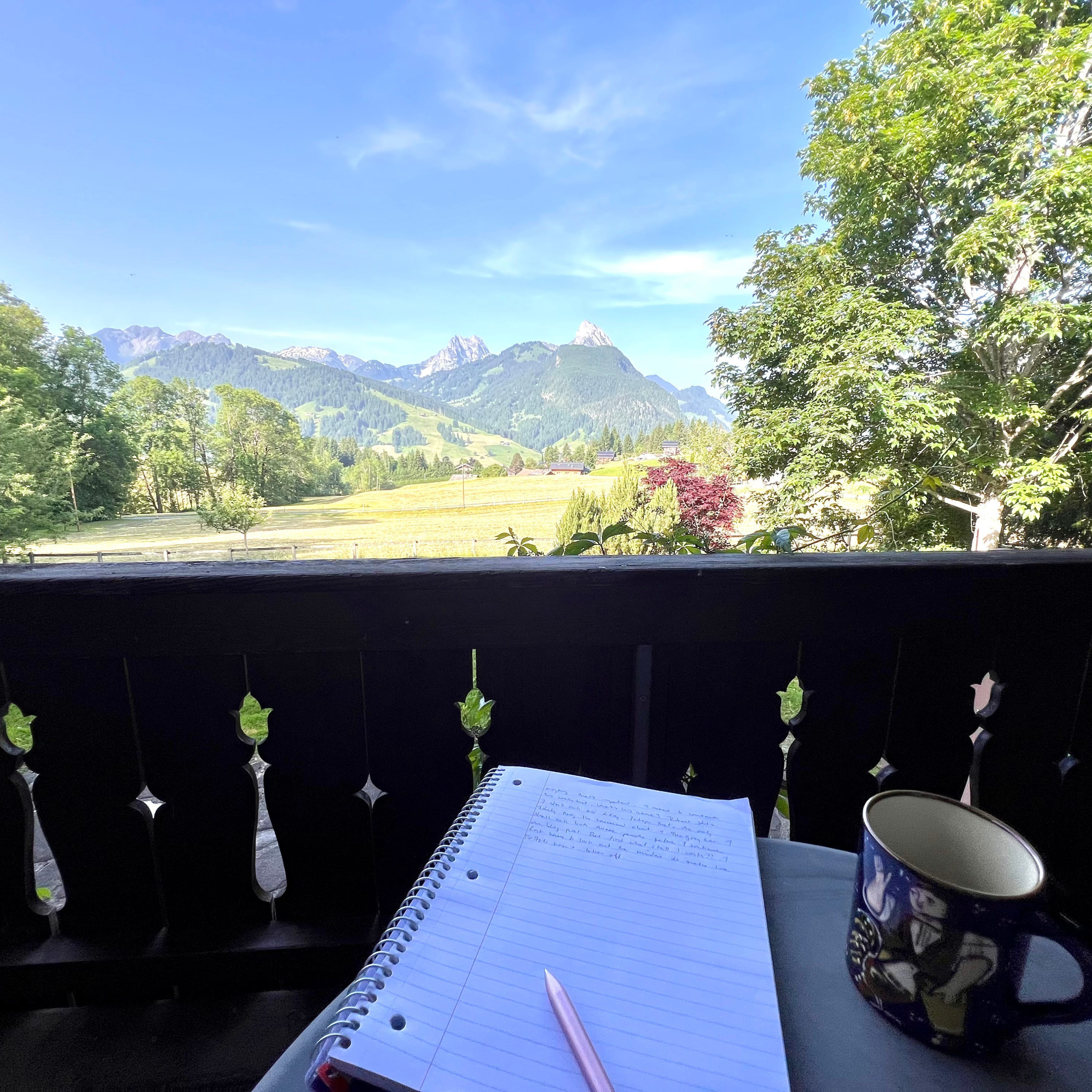
[00:01:21] Unless you're in the jungle in Costa Rica, as I was when I wrote this, where a skunk sprayed its perfume outside my open window at 3am so why are many privileged people still sleeping poorly?
[00:01:33] The distortions Late night dinners and social obligations when you're wealthy, dinner at 9pm isn't unusual. It's normal.
[00:01:42] Charity galas, long business dinners where the most important conversations happen.
[00:01:47] You're eating late because that's when the world you operate in does business.
[00:01:51] Late night eating causes your body to go into digestion mode just when you're trying to sleep. It suppresses melatonin and raises evening cortisol. Problem isn't falling asleep, it's waking at 3 or 4am eating within three hours of bedtime increases your chances of waking up in the middle of the night by 61%.
[00:02:11] Stewardship move the three hour rule protect a three hour food to sleep buffer whenever possible.
[00:02:18] Jet Lag as lifestyle like many of my friends, I split my time between locations and find myself recovering from jet lag constantly. The research says the effects are cumulative. Recovery takes days, sometimes weeks.
[00:02:32] Now I understand why I've been struggling to think clearly. Sleep disruption begins the night before travel, then persists after arrival. As your sleep timing stays shifted for days, it impairs attention, memory, executive function and mood regulation.
[00:02:46] But when you're wealthy, crossing time zones isn't occasional. It's routine stewardship. Move fewer time zones, longer stays and buffer days Then there's alcohol. The wealthy person's sleep aid. Alcohol is everywhere in wealthy circles. I used to think it was normal to start with cocktails at 5, move to wine at dinner and end with nightcaps at at the after hours party. I gravitated towards the good stuff. Grand Cru, Montepulciano, single malts from Scotland. Being tipsy or drunk was celebrated. Diana is fun. I thought sober people were boring. I feared becoming one of them. Now, at 20 years sober, I see it differently. If someone finds me boring, that's their problem.
[00:03:32] The science is unromantic. Alcohol can make you drowsy faster, but it degrades sleep quality, especially later in the night. REM takes a hit. Resting heart rates rise. Even moderate drinking does this.
[00:03:45] 22% of young adults now use cannabis or alcohol to fall asleep. Researchers warn it backfires, disrupting sleep quality and making staying asleep harder. But in wealthy circles, social drinking is expected.
[00:03:58] The pressure is subtle but constant stewardship move. For those who've quit, abstain completely.
[00:04:05] For moderate drinkers, try keeping a full glass in front of you without drinking it. It stops the refills and the questions. Or skip evening events altogether. Do lunches and breakfasts instead.
[00:04:17] The Tracking Obsession I wear two trackers. One is kind, one is harsher. Both hijack my mood. This has a name now, Orthosomnia. Sleep perfectionism. Here's how you know if it's you. You check your sleep score before noticing how you actually feel. And a bad score ruins your mood. Even if you feel rested, you feel anxious about falling asleep. When you're worried about your metrics, you've changed your behavior to game the tracker rather than actually sleep better. The pursuit of optimization creates anxiety and the anxiety disrupts sleep. Worse metrics, more anxiety.
[00:04:51] We love optimization and can afford the best devices to track everything.
[00:04:56] But according to the Mayo Clinic, when compared to the gold standard sleep test, these devices are largely inaccurate. Fair to good at detecting when you're asleep, but poor at determining when you are awake during the night.
[00:05:10] We're paying billions to be lied to about our sleep stewardship move. Track for behavior, not reassurance.
[00:05:18] The invisible risk. The bigger problem isn't any single distortion. It's that wealth makes sleep feel negotiable.
[00:05:25] You're your own boss. You travel across time zones often. You attend late social events. You can drink without immediate consequences. You can optimize and track your borrowing against sleep with compound interest.
[00:05:39] A study from the Royal Society found something critical. The key issue in economically developed industrial economies is not Sleep duration, but primarily circadian disruption. It's not that you're sleeping less, it's that your sleep is happening at the wrong times.
[00:05:55] Your body's rhythms are constantly fighting your schedule. And here's what makes this invisible.
[00:06:02] You feel fine until you don't. Chronic sleep deprivation causes structural brain changes. It impairs attention, memory, executive function, mood regulation. It increases risk for cardiovascular disease, metabolic dysfunction, mental health disorders.
[00:06:18] But these effects are cumulative, quiet and hidden behind your success.
[00:06:23] You're functional, productive, high performing. So the sleep debt doesn't seem to matter until one day it does.
[00:06:31] The stewardship move protects sleep as a non negotiable.
[00:06:35] I'm still working this out myself, but here's what the research and my own experience suggest.
[00:06:40] The three hour rule Stop eating three hours before bed. Even if dinner reservations are late. Even if it's a social obligation.
[00:06:49] Routine as ritual. My nighttime routine isn't optional. Walk the dog if he's with me. Lock the door, lights off, brush teeth, wash face, pajamas, Bed with a book or Emily in Paris every night no matter where I am.
[00:07:03] Reduce travel. I'm questioning whether my multi location lifestyle prevents deeper relationships and personal connection. Maybe it's also preventing deeper sleep. Fewer time zones, more time in each place.
[00:07:15] Let my body settle.
[00:07:17] Stop alcohol.
[00:07:19] Clear personal rules, not cultural defaults. Not what everyone else is doing. What your body needs.
[00:07:25] The tracking question.
[00:07:27] Maybe the whoop is somewhat accurate and is fun to use. Maybe I do need to accept the bad news. But I also need to ask, is tracking making my sleep better or just making me more anxious about it?
[00:07:40] Wealth doesn't change what humans need for sleep. It changes how easily we can avoid those needs.
[00:07:46] The middle path is treating sleep as non negotiable. A blue line, a boundary you don't cross.
[00:07:52] Sleep isn't something you optimize, it's something you protect.
[00:07:57] Next in the series Stress Management where we'll explore why access to therapy, coaching and retreats doesn't eliminate the existential stress that wealth creates.
[00:08:10] If this effort episode landed for you, share it with someone who might need to hear it. And if you haven't already, subscribe so you don't miss what's coming. But here's the real thing. I want you to know if you're carrying something you can't talk about, if you have every resource except someone who actually understands what wealth costs. I work one on one with people like you navigating exactly that. You can reach me at Diana. Oeh rli.com. thanks for listening.